Wednesday, January 29, 2020

A ‘Granny House’ Gets a Jaw-Dropping Makeover on ‘Home Town’
HGTV; realtor.com
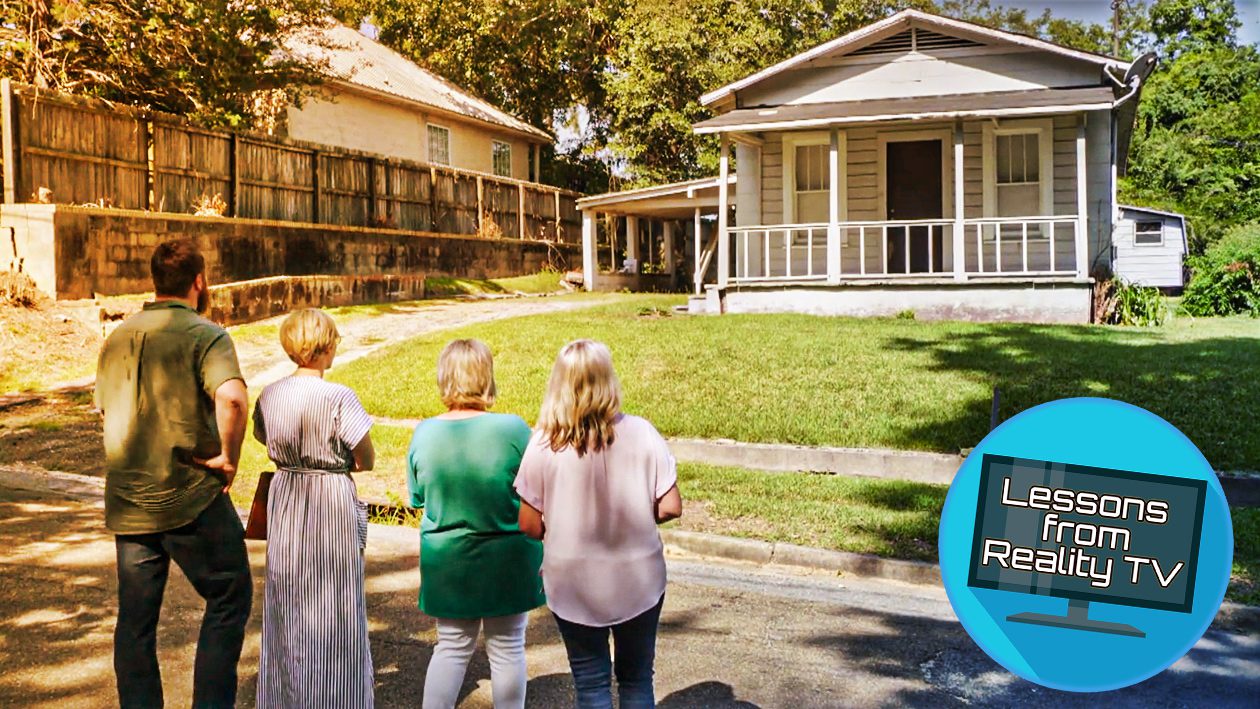
The renovating duo Ben and Erin Napier of HGTV’s “Home Town”—now in its fourth season—have updated plenty of outdated abodes in their tiny town of Laurel, MS. But their target in the latest episode has “granny house” written all over it!
In the episode “The Littlest House,” the Napiers meet Rena, who is moving into a house once inhabited by her grandmother and her great-grandmother before her. The place has been empty for years and needs a whole lot of work.
Will Erin and Ben be able to update this classic old house without going over budget, or will it end up being a total gut job? Read on to find out whether this old home can be refreshed for the here and now, and the lessons we can learn about updating tired decor.
2 porches add lots of outside space

HGTV
Before renovations begin on the inside, Ben and Erin know that one big change needs to be made to the home’s exterior. While the home already has a large front porch, Ben and Erin think the position of the porch isn’t right.
So they shift it a bit to the left, which leaves plenty of room on the right side of the house for a second porch. And since outdoor space is all the rage these days, we say two porches are way better than one!

HGTV
Red, white, and blue paint has an Americana style
While those double porches look great, the exterior of the home still needs a lot of work.
Before renovation, the old house is dark and dingy—and Erin knows it needs a big refresh. She draws up a plan to paint the house white, with a light-blue front door and a red tin roof.
Rena loves the look, and when the exterior is finally finished, the result is amazing.
The white paint makes this small house look much larger, while the red roof gives the home a charming barn vibe. Another plus: The light-blue door gives the home a pop of color.
As Erin explains, “We wanted it to feel like red, white, and blue Americana, but also to completely fit into its natural surroundings.”
Patterned wallpaper can bring a playful vibe

HGTV
While plenty of people associate floral wallpaper with their grandmother’s house, the wallpaper Erin and Ben choose to put on an accent wall in Rena’s new bathroom is totally modern.
This blue wallpaper creates a fresh, feminine vibe that is perfect in this large bathroom. When Rena sees the new bathroom, she loves it.
A granite backsplash adds character

HGTV
When Erin and Ben first see Rena’s home, they know the kitchen will need a big fillip. First up: a fresh countertop.
At first, Erin considers installing quartz countertops, but quickly changes her mind. She knows the kitchen needs something with a bit more dimension, so she picks granite countertops. The gray color looks amazing, and breaks up the white of the rest of the room.
But she doesn’t stop there. Erin wants to do something special with the backsplash, so she sketches out an extension of the granite over the oven.
The result is a beautiful, and unique, focal point that makes this kitchen extra-special.
A recycled bathtub is perfect for the pups

HGTV
Ben knows that the home’s original, square bathtub is too small and awkward for modern use, so he replaces it an appropriately sized shower/tub combo.
But what to do with that old tub? Ben doesn’t want to throw it away, so he gets creative and turns it into a dog bath.
With some low wood walls added for splash protection, Ben puts the tub on the new side porch. It’s a creative way to reuse part of the original home, and it also adds character to the house.
Is this house a ‘Home Town’ hit?
When Erin and Ben are finally done, Rena can’t believe how gorgeous the house is.
And the best part is that they complete it under budget. Since the house was free, and Rena had $100,000 to spend, they manage to spend a total of only $95,000 on renovations. It’s a great price for a great job that pays its respects to family and to history.
The post A ‘Granny House’ Gets a Jaw-Dropping Makeover on ‘Home Town’ appeared first on Real Estate News & Insights | realtor.com®.
Tuesday, January 28, 2020
Raise the Bar in Your Bathroom: 6 Things It’s Well Past Time to Declutter
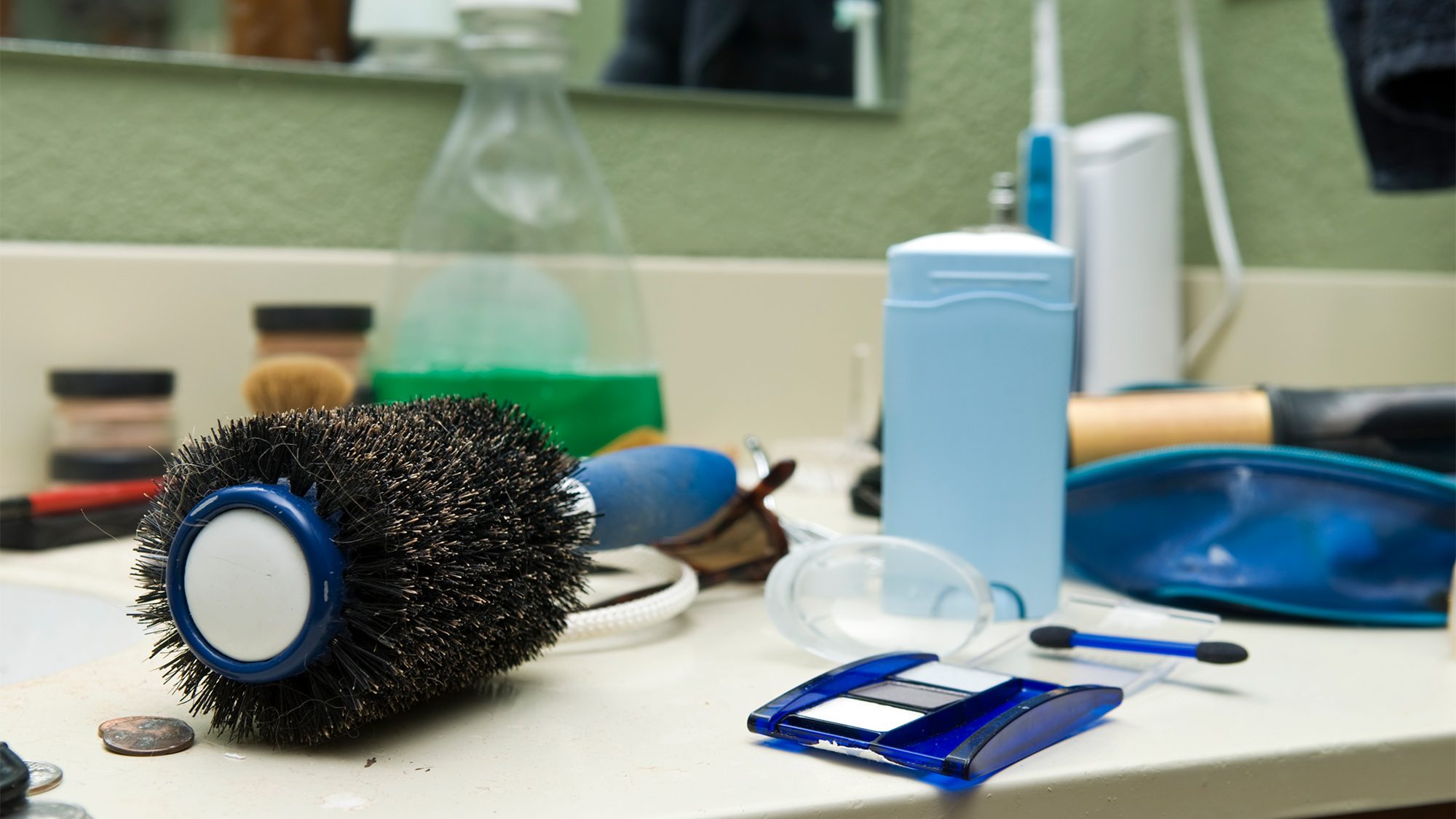
Figure8Photos/iStock
There are some rooms that are just easier to keep clean than others—or shall we say, where it’s more obvious when stuff needs to get tossed. Like in the kitchen, when freezer-burned food has more icicles than the North Pole. Or in your kids’ bedroom, the third (and even fourth) time you trip on an overflowing pile of their toys.
But the bathroom? It’s an easy place to forget. After all, most of the things in there tend to last forever, right? Not really, according to the experts. In fact, keeping things like cosmetics and medication for too long can actually be harmful to your health. Which is why this latest installation of our “New Year, Clean House” series is all about raising the bar in the bathroom.
So if it’s been a while since you’ve thought about all of the random crap in those cabinets, here are a few tips from the experts on what it’s time to toss.
1. Old cosmetics
Cosmetics might seem like they should last forever, but Ali Wenzke, author of “The Art of Happy Moving,” explains otherwise.
“Cosmetics have an expiration date, so you don’t want to ruin your skin or eyes with built-up bacteria,” she says. “You can hold on to your foundations for up to two years. However, items like mascara and liquid eyeliner only last about three months. If you have a lot of free make-up samples, decide to use them this week. Otherwise, donate them to a local women’s shelter.”
This goes for all of your unused travel-size deodorants, shampoos, perfume samples, and lotions as well. Toss out the old stuff, and replace it with new versions of the things you actually use. Consider even labeling these by date to keep track of when they’re due to be swapped out.
2. Expired medication
From old cough syrup to those remaining prescriptions rattling around the medicine cabinet, medical supplies are vitally important to keep in check.
“Expired medications can not only lose their effectiveness but also become a risk to take as their chemical composition changes,” says Melissa Groff, owner of Namastay Organized.
Some medications can also become contaminated by bacteria, she points out. Set up an appointment with your doctor to get a new prescription and then properly dispose of expired medications.
Before chucking pill bottles in the trash, Groff recommends following these steps to make sure they’re disposed of the right way. First, check the label for specific disposal instructions. If there aren’t any, consider using a local take-back program, or follow these instructions to mix (not crush) medicine with dirt or kitty litter before throwing it away.
3. Ratty towels
We all have some of these lying around, and while having a few old towels for cleaning can be helpful, you don’t need to keep every single old towel you own, especially when they’re taking up precious real estate in the bathroom.
“I recommend two sets of towels for each household member, in good condition, with no holes,” says Groff. “Stick to a color scheme like white for adults, and colored towels for kids—this will make it easy to spot which sets go where. If you wouldn’t let a guest use a towel, then it might be time to repurpose it.”
For old towels that don’t make it into your cleaning rag collection, organizer Amy Bloomer of Let Your Space Bloom suggests donating them to local animal shelters and zoos.
4. Shower overflow
Much like with cosmetics, we’re all guilty of collecting too many partly used bottles of product in the shower or tub. Take back your bathroom by paring down some of that chaos.
“Start fresh in your shower,” says Wenzke. “Throw out the sliver of soap and imagine you were staying at the finest hotel. Now put out the items that you absolutely need. Instead of looking at a collection of bottles, pick your two favorite.”
For any that don’t pass the hotel test, it’s time to rinse them out and send them off to the recycling bin.
5. Too many hair accessories
Hair accessories are one more thing that makes our list for the simple reason that we all have too many of them floating around. We’re talking about the stray scrunchies, bobby pins, clips, and even double sets of hairbrushes, dryers, curlers, and straighteners. Unless you’re using all of these items every single day, it’s time to purge.
“Hair accessories tend to multiply,” says Groff. “Keep your stash simple, and go through it routinely, tossing anything that’s damaged and donating anything that is no longer your style. Keeping it streamlined will have you using more of what you like to wear.”
6. Counter clutter
You’ll enjoy your bathroom more if the counter clutter is kept to a minimum.
“The counter is a major source of visual clutter,” says Groff. “That is, when objects in a room compete for your attention—it’s distracting and fatiguing. Clearing off the countertop is essential for your mental and emotional well-being.”
Keep out a few favorite decor items, but plan on storing the rest of your stuff—like all those hair accessories, medications, and cosmetics—out of sight somewhere.
“With all of the space you’ve created clearing out all of the items above, you now have room to store some of the items that are cluttering up your counter,” says Bloomer.
The post Raise the Bar in Your Bathroom: 6 Things It’s Well Past Time to Declutter appeared first on Real Estate News & Insights | realtor.com®.
Sayonara, Succulents? 5 Plants That Make Your Home Look Woefully Dated
ae0816146146/iStock
Think you can never go wrong adding plants to your home? Wrong! While greenery is generally a good idea, houseplants aren’t necessarily no-fail decor since certain foliage can go in—and out of—style.
So which houseplants look dated today? To help you separate the wheat from the chaff, here are some plants that will make your home look so last year, along with some fresh alternatives.
1. Fiddle-leaf fig

Decorist Elite
“The fiddle-leaf fig will always be a classic plant choice; however, it has been seen, and seen and seen again. A bit ho-hum on the excitement scale,” explains Decorist Elite designer Lauren Martin. “It’s come to be known as a designer’s go-to—guilty as charged!—although with so many options, we recommend go for the gold and choose something new.”

A fresh alternative: Ficus triangularis (shown above).
“Hands-down my favorite indoor tree is the Ficus triangularis,” Martin says. “It has small triangular, almost heart-shaped leaves, which are softer-looking compared with the extra-large leaves of the fiddle leaf. This species is incredibly hardy, rather quick-growing, easy to care for, and very playful-looking—I smile every time I see one.”
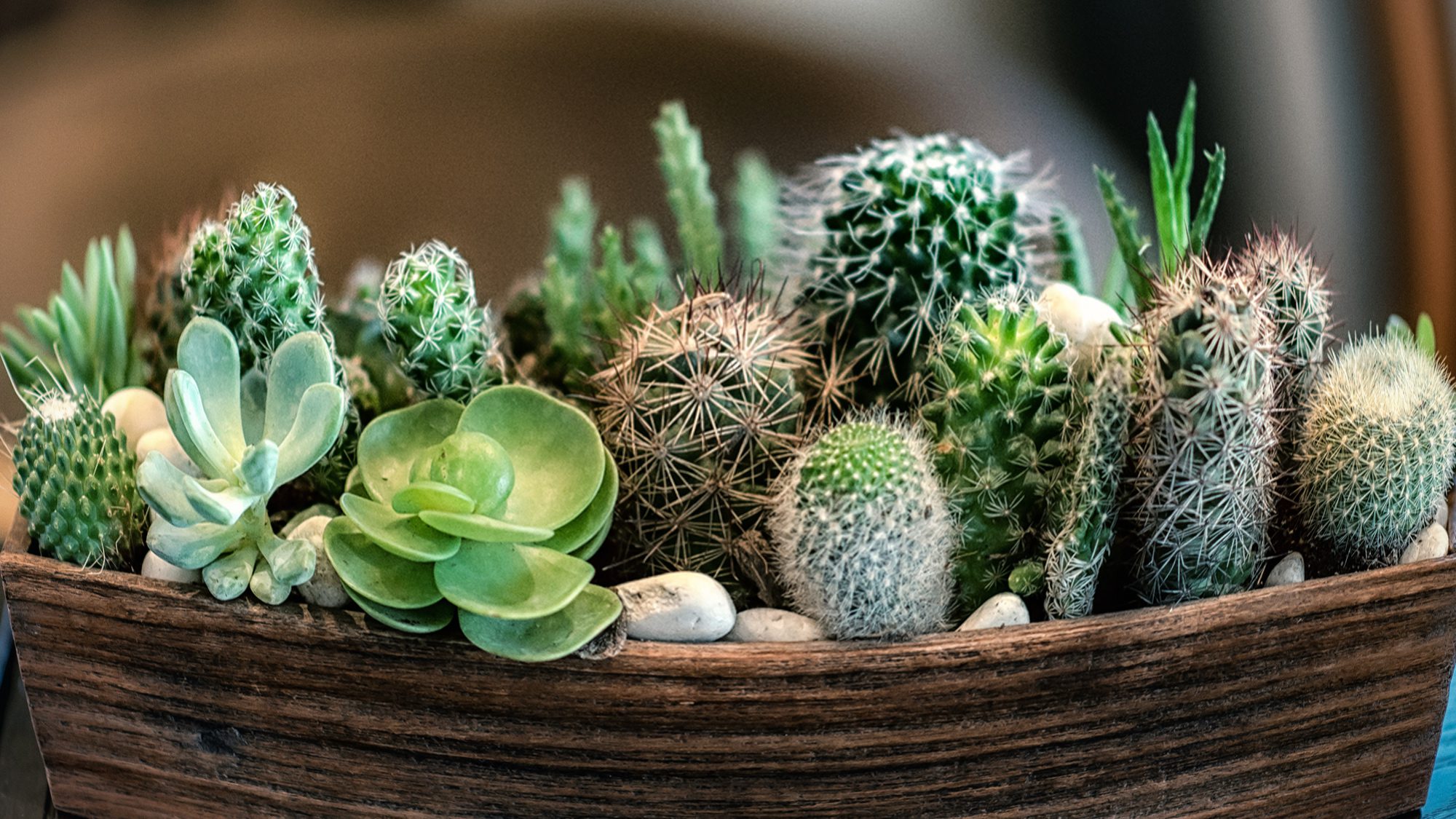
2. Cacti
Cacti, classic succulents, have been all the rage in the recent past. But these prickly plants are now passé.
“Cacti have been a wildly popular trend for the past few years,” Martin says. But no more, in part because it’s not so family- or pet-friendly.
“Our clients are most often young families with pets and children,” she explains. “A cactus is not the best for little curious hands and paws.”

Photo by Alyssa Rosenheck

Photo by Vivian Lin
A fresh alternative: Fabien stump.
“2020 is shifting more toward comfort, intimacy, and softness,” Martin says, and this plant delivers on all fronts.
3. Banana-leaf palm

Photo by Adrian Busse
“While the native oversized island plant is big, bold, and beautiful, it’s feeling a bit more seasonal and summery than a year-round other variety,” Martin explains. “It also harkens a more bohemian or glam (Hollywood Regency) style, which may not be fitting with all home styles.”

Photo by Vivian Lin
A fresh alternative: Natal mahogany.
“This plant is lighter-looking, less tropical or bohemian-inspired, and has a little European flair we always love—elegant, unfussy, and sophisticated without trying too hard,” Martin says.
4. Monstera

Photo by Jana Williams
“Monstera plants have been trending for the past year or two in conjunction with the tropical, bohemian style,” Martin says. “While a very cool plant species, I believe they’ve been a bit overused and not always in keeping with the architectural style of a home. For example, if you live in a traditional Southern-style home in South Carolina or a modern farmhouse in Texas, an overtly big, leafy, bright-green tropical plant feels disconnected from the natural bones of the home.”

5. Orchid
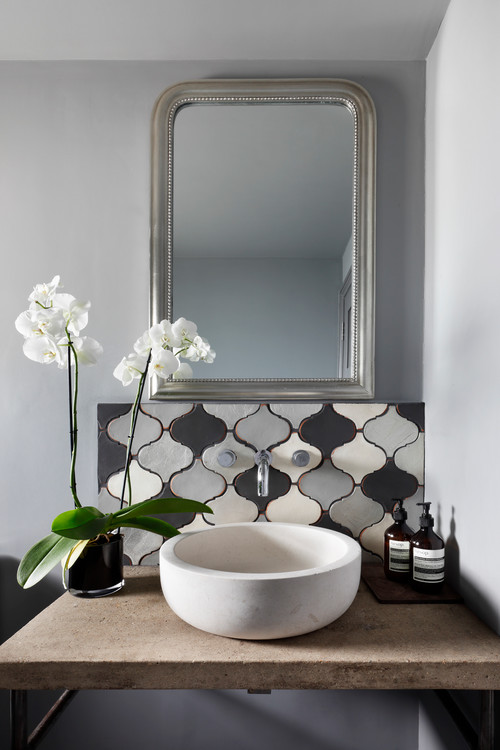
“While live potted orchids do last quite a while, their look is more traditional and formal,” Martin says. “In 2020 we’ll be seeing a big shift toward softer, less structured plant life indoors.”

Photo by Sean Litchfield
A fresh alternative: Try more organic, architectural branches, which can be store-bought or clipped from trees in the wild.
“These can last up to a month in your home,” Martin says. “Alternatively more unusual-looking potted plants like a blue star fern always add interest and serve as a conversation piece. Even a few stems of a lesser ‘trendy’ plant or flower can breathe new life into a space while offering a more personalized, unique look.”
The post Sayonara, Succulents? 5 Plants That Make Your Home Look Woefully Dated appeared first on Real Estate News & Insights | realtor.com®.
Monday, January 27, 2020
Clear the Clutter! The 4 Biggest Secrets to an Organized Living Room in 2020

Yuri_Arcurs/iStock
Anyone else’s living room feeling like a post-apocalyptic nightmare right about now? If it looks anything like ours, piles of laundry, stacks of unread magazines from last year, and even the Secret Santa gift you received from your co-worker (the one you’re still deciding whether to keep) are probably majorly clogging things up.
And that’s not OK! Our living rooms should be spaces where we can unwind from the stress of the day—not feel like magnetic fields for mountains of crap.
That’s why we’re dedicating this edition of our “New Year, Clean House” series to making that happen. Ready to reclaim your living room? Keep reading for the four most essential things to focus on for a decluttered space in the new year.
1. Conquer your coffee table
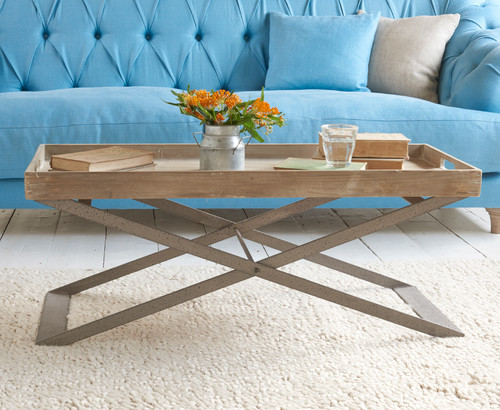
Photo by Loaf
The first place to start in decluttering the living room is your coffee table, says Melissa Groff, owner of Namastay Organized.
“When you sit down at the end of a long day, the last thing you want to look at are your bills,” she says. “Create a spot for important mail elsewhere in the home where you tend to get things done, then stage remotes, a candle, and a small plant on a serving tray—so you can truly relax at the end of the day.”
When it comes to what to do with all that mail, Ali Wenzke, author of “The Art of Happy Moving,” has a few ideas.
“For old mail, make two piles: recycle or scan,” Wenzke says. “As you go through the mail, toss any envelopes or additional junk mail, then scan the documents you want to keep or take a photo of them, and toss whatever you don’t need.”
How about old magazines? Nonnahs Driskill, owner of Get Organized Already!, has some solid advice: Throw them away.
“This can feel wasteful because you may not have read the magazine, but life keeps moving forward and having an old magazine on the coffee table is more likely to make you feel guilty or late, than accomplished and on top of things,” she says. “Try it. Throw away all the old magazines. What’s the worst that could happen?”
2. Banish all the things that belong elsewhere
We know you know what we’re talking about, but we’ll say it anyway: slippers, bathrobes, sweaters, kids toys, abandoned projects—and the list goes on.
So what should you do with all this crap coming between you and your chill living room vibes? Amy Bloomer, owner of Let Your Space Bloom, fills us in.
“A well-placed bin can help to contain items so they don’t take over,” she says. “For example, I encourage clients to keep a basket at the bottom of their stairs. This becomes the catchall for things that have migrated out of place. Once a day, preferably in the evening, make it a habit to put back everything you’ve accumulated in the basket. It won’t take long, and it will help to maintain clear, calm spaces before retiring for the night.”
3. Edit out excess blankets and pillows

Having a lot of blankets and pillows on your couch makes it cozy, but having every single throw pillow and blanket you’ve ever owned (including the ones that are falling apart) strewed across the living room? Let’s just say it’s a bit much.
“Anything that’s showing signs of wear, has holes, or doesn’t match your current aesthetic should be decluttered,” Groff says. “Items in good shape can be donated, and the rest should be trashed.”
4. Make over your (out-of-control) media center
Once upon a time, having a huge collection of DVDs and CDs was a thing to be proud of. But now? It sort of just makes you a hoarder.
“If you find yourself bingeing on Netflix every weekend, then you can say goodbye to that old DVD collection,” Wenzke says. “Keep up to 10 DVDs for sentimental reasons, but allow yourself to part with the rest. Donate the unwanted ones to your local library.”
And since we’re on the topic of unruly media centers, let’s not forget about the rat’s nest of cords behind the TV or in the junk drawer.
“The key to this space is your cords,” says Emma J. Carter of It’s a Lifestyle. “Once you have cords tucked away, this piece of furniture starts serving its specific purpose.”
To tackle cord overload, Carter recommends unplugging everything, untangling them, and investing in some velcro ties to keep things organized. Have some extra unwanted cords? Donate them to your nearest Goodwill.
The post Clear the Clutter! The 4 Biggest Secrets to an Organized Living Room in 2020 appeared first on Real Estate News & Insights | realtor.com®.
Need a Vacation? This Hot Home Decor Style Will Take You Away

iStock; realtor.com
Craving the sight of some sun, surf, and perhaps a few palm trees right about now? Even if you can’t see them outside your window, you can channel that vibe in your home decor—specifically, Palm Beach decor.
Named for the exclusive and fashionable Florida enclave with near-perfect weather, Palm Beach style is all about seaside themes, like seashells and tropical greenery. Think orchids, pineapples, and (of course) classic palms.
“This iconic regional style takes a bow to the Florida coast by incorporating tropical motifs like coral and sunset palettes,” says Stephanie Plymale, president and CEO of the Heritage School of Interior Design, based in Portland, OR.
Partial credit for this enduring trend can be attributed to Lilly Pulitzer.
“She was a Palm Beach socialite whose dress brand catapulted her to fame, in part because Jackie Kennedy wore one of her loud floral frocks back in the early 1960s,” explains Justin Riordan, interior designer and founder of Spade and Archer Design Agency. Today, the brand is found all over, from signature stores to Target.
To create this look in your home, you can also add in every wild animal print in the book, including leopards, flamingos, and zebras, plus an assortment of bright and bold colors.
“Adding Palm Beach style to your home is as easy as embracing oranges, pinks, and turquoise, ocean life accessories, and natural materials, like wicker, bamboo, and rattan,” says Lindsay MacRae, of the eponymous design firm in NYC.
So grab your sunnies and take a look at these fun ways to make Palm Beach style your own.
Sea grass rug

Pottery Barn
Natural carpets are a great foundation on which to layer bold, colorful furniture, says MacRae. This pick sports a smart cotton-twill border ($300, Pottery Barn). “And my favorite go-to for Palm Beach style fabric is quadrille, which is huge right now and reminds me of vacation,” she adds.
Bar cart

Society Social
Palm Beach is a party town, and homes decorated in this style practically require a designated drinks station ($715, Society Social). “Be sure to incorporate a few glitzy items that fall under the Hollywood Regency category, like this faux-bamboo cart,” says Roxy Te, CEO and founder of Society Social.
Bold ottoman

Pottery Barn
According to Riordan, a common theme for Palm Beach-style interiors is lots of white, along with pops of pastels and strong colors. A focus on citrus hues (lemon yellow, bright green, and orange) and the shades of the setting sun (pink, purples) are also typical. Get the look with this adorable ottoman ($454, Pottery Barn).
Patterned pillow

Wayfair
When it comes to fabrics, larger pieces are best in woven solid colors like yellow, greens, and orange, notes Plymale. But for pillows and drapes, go for botanical, floral, or tropical prints.
And if you’re leaning toward zigzag, shibori, chevron, or stripes, keep the background white for the freshest look, suggests Riordan, as seen on this pillow ($18, Wayfair).
Pineapple jar

Fill this vessel with cookies, or place a pair of them on your entryway table.
“Classic Palm Beach-style homes often feature glammed-out pineapple statues, large collections of tropical house plants, bowls of shells, and mirrors with intricate frames,” reports Plymale. This fruity pick is an easy way to add some Florida vibes ($80, Williams Sonoma).
“And you can never go wrong with a shell box—chic storage for all,” adds Te.
But don’t go too crazy with certain motifs. “Have a palm frond or even imitation coral—let’s try not to kill the ocean any faster. jJust don’t create a tiki lounge,” says Riordan.
Palm print

Etsy
Riordan gushes over prints like these, and would order one large (16 x 24) and framed in glossy white for his future Miami Beach condo ($8 for set, Etsy).
Trellis wallpaper

Wayfair
Trellis and lattice designs evoke a lush Florida garden or the surround at the Palm Beach Bath & Tennis club. Try this pattern on the backs of your bookcase shelves, in a guest bedroom, or in a powder room ($1.50 per square foot, Wayfair).
Chinoiserie

Pier 1
No Palm Beach home is complete without a touch of chinoiserie, decorative pieces with Asian motifs. Plymale votes for oversized ginger jars in blue and white on a sideboard or end tables flanking a sofa.
These handsome containers in cobalt look fabulous and are priced well—so you can pick up several ($32, Pier 1).
The post Need a Vacation? This Hot Home Decor Style Will Take You Away appeared first on Real Estate News & Insights | realtor.com®.
Exclusive: TV’s Nate Berkus on 2020’s Top Design Trends and the Biggest Mistake People Make
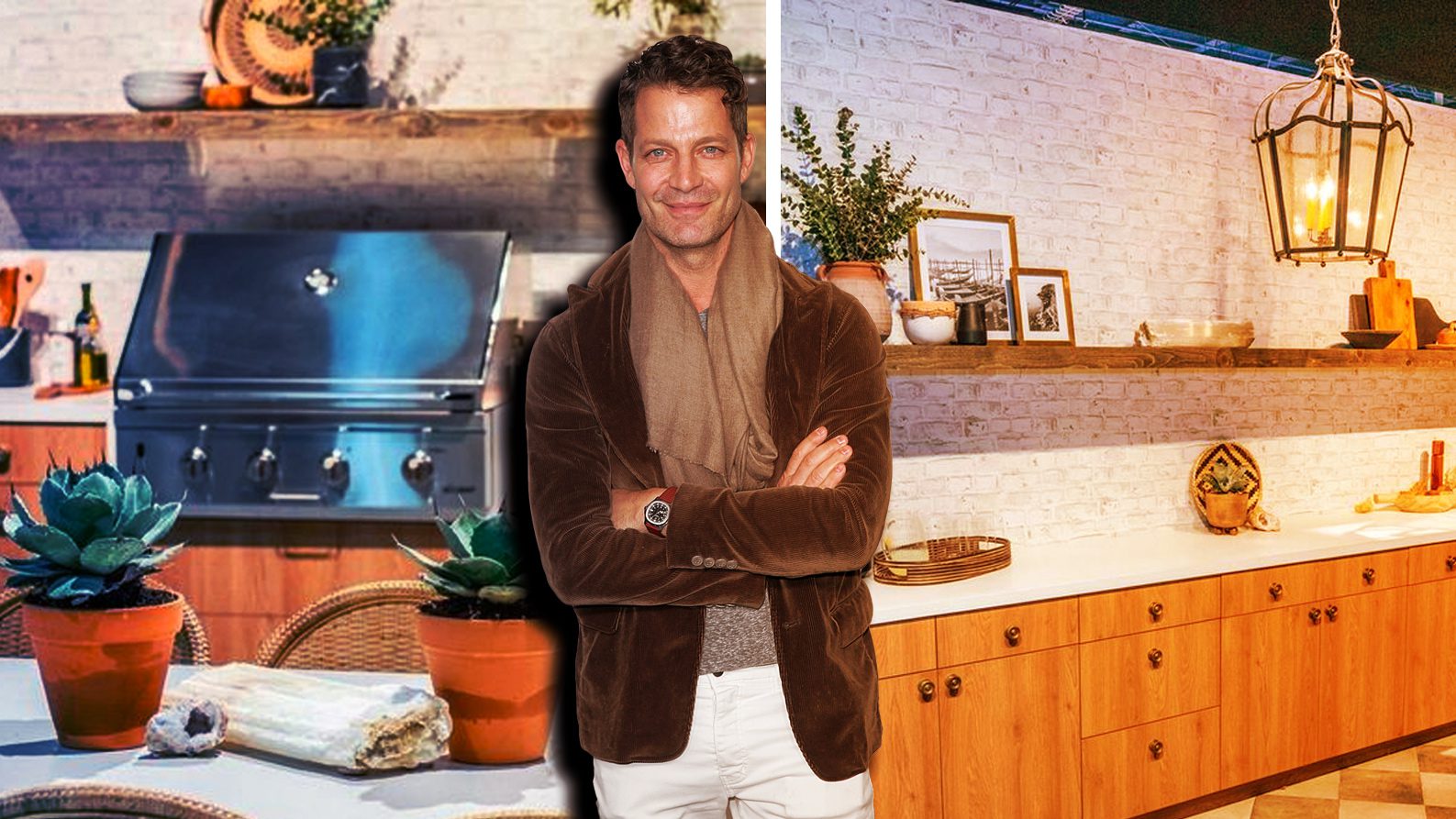
Dominik Bindl/WireImage; Caesarstone/K+J Agency, LLC
Home decor is a terrifying challenge for many of us—it’s why we latch on to those home-makeover TV shows, desperately hoping to pick up some tips that we can use in our own homes. If only we could ask these folks who actually know what they’re doing how to make our interiors look like an expert had a hand in them, too.
So that’s exactly what we did! We caught up with design guru Nate Berkus at the annual Kitchen & Bath Industry Show in Las Vegas, where he designed a booth for premium countertop company Caesarstone. The booth showcased Berkus’ personal aesthetic, along with materials and accessories that he predicts will be big in outdoor spaces in 2020. (You probably know Berkus from his numerous appearances on TV, including “Nate & Jeremiah by Design,” the TLC show he co-stars in with his husband.)
But we had to dig deeper. What’s in for 2020? What’s out? And what will give our spaces that perfect air of style—without emptying our wallets? Read on for the lowdown from Berkus himself.

Caesarstone/K+J Agency, LLC
What was your design inspiration for putting together this booth?
I’ve always believed that design—good design—stands the test of time. And I’ve always liked working with classic forms, classic shapes, and sort of reinterpreting tradition in a modern way. I don’t like tricks, and I don’t like trends. I do like innovation. That’s why this was a really cool opportunity to work with a very innovative outdoor product for the first time, but use it in a kitchen that felt timeworn and classic and sort of old school, if you will.
What’s your thought on the modern farmhouse trend?
I like the color palette, and I also like the form of it. But I think it’s become a little bit impersonal when you see something that everybody wants over and over. So what I tend to respond to within that aesthetic are what Joanna Gaines does when she uses old architectural elements—like an old pair of doors or salvaged stone flooring. Those are the pieces to me that make it interesting.
What would you call your personal aesthetic?
My spaces tend to feel very layered and very assembled over time. I try to take the best from each era and combine them in a way that feels fresh.
I think the shortcut to actually doing [design] well—if you do want it done in a weekend—is to be really diligent about shopping vintage and antique. You have to mix in things that are old, even if it’s a brand-new space, to give it character and give it some life.
What are the biggest mistakes you see homeowners make with their designs?
I think they follow the trends too closely. I think that people are very easily taken with the latest look, the latest feeling. It’s kind of like that black-and-white concrete tile that everybody had. Three, four years ago it was the thing to use in your powder room floor and on your kitchen backsplash, but do you really want it anymore now that you’ve seen it over and over and over? I’d rather build into a home really classic, beautiful materials that stand the test of time—and buy a new dish towel if I’m tired of the trend.
How do you find those timeless looks?
Materials that have been around since the 1920s are always safe. Stone or stone-solid surfacing, concrete, stone, or wood floors, classic ceramic tiles, terra-cotta, butcher block—all of that stuff has been around forever, and there’s new innovation within those looks. But the bottom line is, it’s not on trend. It’s just been around forever.

Caeserstone/K+J Agency, LLC
What can we expect to be big in outdoor spaces this year?
What’s interesting to me about what’s coming next in outdoor kitchen design is that there are products like Caesarstone that you can use and leave. There’s nothing more luxurious than having a beautiful space that you don’t have to really maintain. And I think that’s probably one of the largest trends pushing forward: We want a space that’s gorgeous, but we don’t want to put covers on everything. We don’t want to have to bleach anything just to get it ready for a dinner.
What are your biggest tips for putting together a chic outdoor space?
Look at the old European garden. Get on Pinterest. The reason we all have this fantasy of spending the summer in Tuscany or in the south of France or whatever is because it’s just so beautiful. Collect all the elements that you can. Assemble a grouping of elements that you really love visually, and apply those where you can to your next design project.
What will be big inside?
Brown furniture—like traditional brown, antique furniture—is 100% back. And I think that’s great because it’s been undervalued for a really long time. There are very few things that are as elegant as a George III chest of drawers in mahogany, underneath a beautiful modern photograph or a modern abstract painting.
Will millennials go for that?
I think so. It’s all about the combination and the personalization. But I think millennials are reaching for vintage and antiques more than they ever have been because of sites like 1stdibs and Chairish and Etsy—and there’s value in that. There’s value in a vintage side table. You can buy it for less money usually than a new [one], and it’s worth that in the end.
What else do you predict happening indoors?
I think there’s been a return to things that are made by hand, like your pillows don’t necessarily need to come from a big retailer. It can be from Etsy. They can be hand-blocked by an artist found on Etsy. Your lampshades can be printed and fabric instead of just a typical drum shade.
What are some design trends that you wish would just go away already?
I’m tired of things with phrases on them. I really can’t handle it anymore. “Live, laugh, love”—all that business. Instead of buying it, just do it.
Should anything else go by the wayside?
I’ve always been really more about people creating homes that reflect them, so I can’t knock somebody who wants a French country interior if that’s what brings them joy. I kind of apply the same principles to any style, so I don’t hate country. I don’t hate modern farmhouse. I don’t hate anything if it’s done well and feels layered.
* This interview has been edited for length and clarity.
The post Exclusive: TV’s Nate Berkus on 2020’s Top Design Trends and the Biggest Mistake People Make appeared first on Real Estate News & Insights | realtor.com®.