Monday, October 5, 2020

How To Harvest Seeds This Fall—and Avoid a Seed Shortage Next Spring

RyanJLane / Getty Images
Gardening was a popular pastime this summer, and for good reason: Homeowners fearful of the coronavirus were avoiding grocery stores in favor of growing their own fruits and vegetables in their backyards (victory garden, anyone?).
But as you might recall, so many people were buying seeds in a panic, a shortage ensued in some areas. The good news: If you’ve let your garden run amok this fall, then odds are it’s bursting with seeds you can grab, store, and plant next spring.
To help, we’ve got smart advice from gardening experts on how to harvest seeds, including which fruits and veggies are best to target to get started. Here’s to a delicious bounty next year!
Best fruits and vegetables for seed harvesting
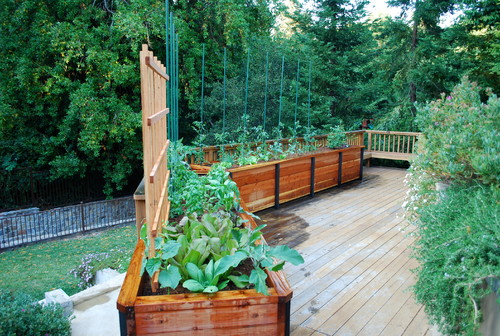 Photo by Steve Masley Consulting and Design
If you’re new to seed saving, start with annual vegetables and fruits, which should seed the fall after they’ve been planted. These include tomatoes, peppers, peas, beans, lettuces, apples, pears, and melons, says Susan Brandt, the master gardener at Blooming Secrets.
In contrast, biennial plants need two growing seasons to complete their reproductive cycle and produce seeds. These plants include beets, carrots, kale, collards, celery, and onions.
“A biennial plant needs to grow through the summer and winter season, well past when you would normally harvest them to eat,” explains JT Wilkinson, maintenance care manager at FormLA Landscaping. And even if you’re willing to wait two years, make sure you live in the right area for this to work.
“You need temperate weather so they winter over correctly without dying off,” Wilkinson adds.
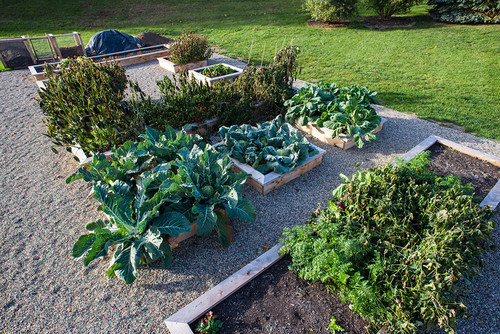 Photo by Lotus Gardenscapes & Bloom Garden Center
And don’t save just any old seeds from your garden for resowing the next season. Avoid harvesting seeds from plants that were infected by disease or showed evidence of rot, says Brandt. The healthiest, most productive plants from one year will carry on these traits in their seeds into the next.
“And do not harvest seeds from hybridized plants because they may not produce the same variety,” says Wilkinson. Hybrid seeds are artificial since they’re made by crossing two strains and are meant for one planting season.
So which seeds should you save? Experts agree that heirlooms are your best bet. Heirlooms are the original, old-time variety of naturally pollinated seeds (that is, by birds, wind, and bugs) that have been passed down through the generations. Certain seed packets will tout their “heirloom” status, so you’ll have to remember what you bought. Some companies—and most farmers—sell only heirloom seeds, so if that’s where you bought yours last spring you’re good to go.
The best time to harvest seeds
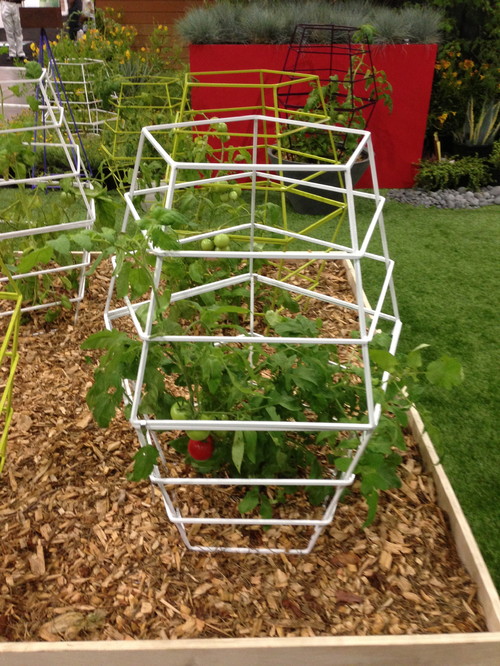
When it comes to seed harvesting, “ripe” doesn’t mean “ready to eat.” Instead, your plants are ripe when they’re in the dried-out stage.
“For example, with a bean or pea, let the pods become completely dry on the vine so you can hear the seeds rattle around on the inside,” says Brandt.
Peppers should start to shrivel up, cucumbers will become yellow, and squash will sport skin that’s hardened—and then you slice open each one to scrape and shake the seeds out.
For soft veggies like tomatoes, cut away as much pulp as you can and place what’s left in a bowl of water for a few days until the seeds fall to the bottom.
“Stir the bowl once a day, and then rinse and drain the seeds,” says Brandt.
How to dry seeds for storing
 Photo by Teracottage-Limited Edition Artisan Sheds & Such
Have a potting shed or a little space in your garage? These spots are ideal for seed drying.
“Use paper towels to absorb any moisture from the seeds, and then place them out of direct sunlight as that will dry them too quickly,” says Wilkinson.
You can line sheet pans or baking sheets with towels or newspaper to dry your seeds, too.
“Make sure the seeds aren’t lying on top of each other and that all the sides dry out evenly,” says Brandt. The drying process can take as little as a couple of days to up to two weeks.
How to store seeds
“Once your seeds have dried, put them in envelopes or breathable bags made from paper or cloth,” says Brandt.
Wilkinson thinks an airtight container is ideal, but envelopes will work if you’re certain they’ll remain dry (moisture can cause mold to grow) and that bugs and rodents won’t find them for a snack.
The next (very important) step is to label all of your hard work—seed saving is a tedious process, alas.
“Write the crop type, variety name, and any useful notes about your seed source, such as when you harvested them and how many plants you took the seeds from,” says Brandt. Stack your envelopes or jars in a drawer or in a box on a secure shelf.
How to ‘wake’ seeds before planting next spring

Yes—your saved seeds are kind of asleep in their little envelope beds, so it’s recommended that you break this dormancy before planting them.
“Place the seeds in the freezer for about three hours, and then remove and expose them to warm air for a day,” says Brandt. “This process will help them achieve their best condition for immediate planting.”
The post How To Harvest Seeds This Fall—and Avoid a Seed Shortage Next Spring appeared first on Real Estate News & Insights | realtor.com®.
10 Ways To Make Your Outdoor Space Usable Year-Round
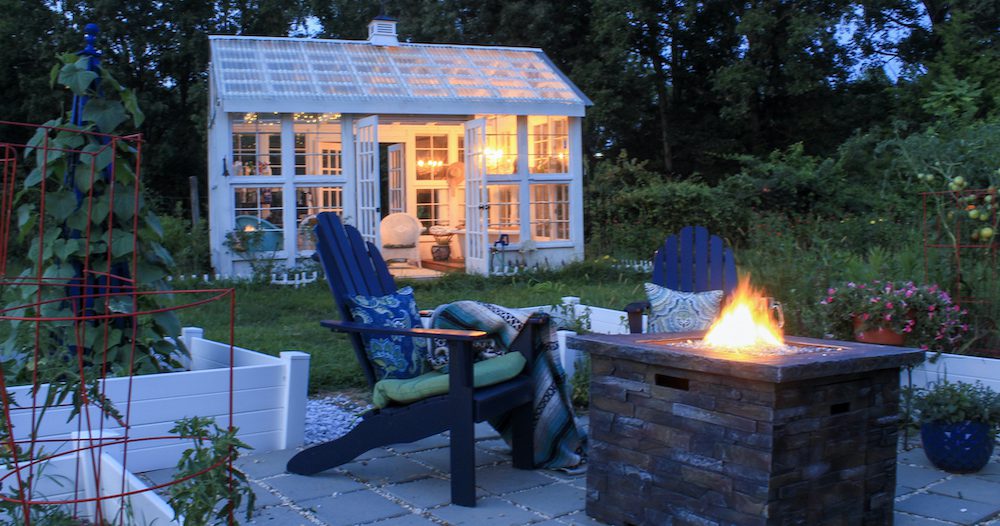
Jennifer Blount / Getty Images
As the coronavirus hangs on into the fall season, having outdoor space is proving more valuable than ever. But now that cooler weather is on the way, stretching out the life of your porch, backyard, or balcony is the next smart step.
Especially in colder northern climates, where summers are shorter, extending the use of outdoor areas is an increasingly essential step, says Ana Cummings of the eponymous design firm.
Gathering the right gear ahead of time so your family and (a few) guests are comfy means you’ll enjoy the great outdoors for longer.
To warm up your outside rooms, try these 10 ideas to retrofit your yard or patio for the cooler fall season.
1. Fire pit

Wayfair
“Outdoor fireplaces or fire pits are a big win once the sun goes down and the weather cools off,” says Marty Basher, a home design and organizational expert at Modular Closets.
Choose the best option for your space based on your budget and the square footage in your yard. And don’t forget to pick up a set of extra-long skewers for s’mores. (They’re not just a summertime treat!)
This portable fire pit ($105, Wayfair) is easy to assemble, burns wood, and comes with its own cover for smart storage when the season is over.
2. Heat lamps
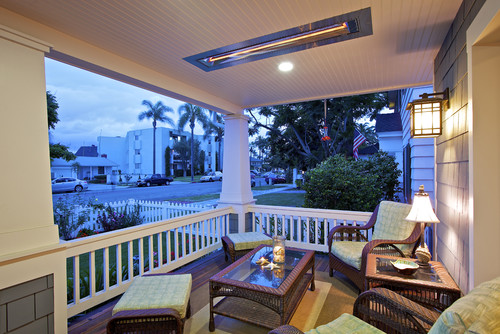
Photo by Christian Rice Architects, Inc.
Make like a European sidewalk cafe and set up standing propane or electric heat lamps, says Basher. Or consider installing an infrared heating device in your porch ceiling.
“These are a step up from traditional gas options and much sleeker and safer—and streamlined models can be inserted so that they heat a person directly, not the elements around them,” says Cummings.
Consider a patio heat lamp ($149, Lowe’s) that takes just a screwdriver to assemble, has a no-tip base, and heats up in mere seconds.
For maximum coziness, you can even find heated furniture.
“There are outdoor selections that can be plugged in to keep you warm as you stargaze from your backyard,” she adds.
3. Plush cushions and blankets
 Photo by Eden Clark of VEDA Design Group
No one wants to sit on cold, wrought-iron or plastic deck chairs when the weather turns chilly, so be sure seat cushions and outdoor pillows are thick enough for the season. And a basket full of warm throws is another cozy touch.
“Wool blankets are the best for regulating temperature, especially lightweight merino or cashmere ones, which make lingering on the patio or in the yard luxurious,” says Cummings.
We love this ultrasoft Peruvian blanket ($598, Serena & Lily) for its chunky knit texture and handmade appeal.
4. Privacy screen

Wayfair
Blocking the wind in cooler weather is easy enough with the addition of a wooden wall or screen, says Cummings. Or consider latticework, a cheaper pick that can also surround or partly enclose a patio or one side of a balcony.
How about an outdoor screen ($107, Wayfair) that tricks the eye—is it a floral design or zebra? Either way, the abstract design offers privacy and a visual element for a very fair price.
5. Curtained pergola
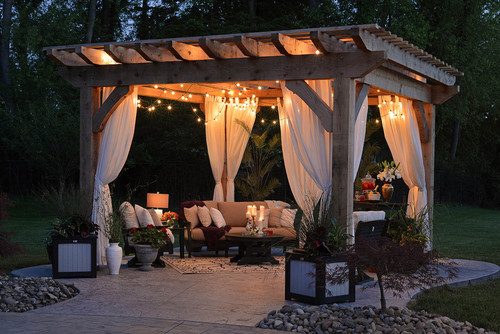
A pergola or gazebo is another upgrade that can take your outdoor space from summer to fall, especially if you add curtains that can be drawn when the temperatures dip.
“Pergolas give your outdoor area the feeling of a more permanent room—and for some of these, you can add a removable roof to expand its use when the weather isn’t ideal,” says Basher.
6. Small cooktop
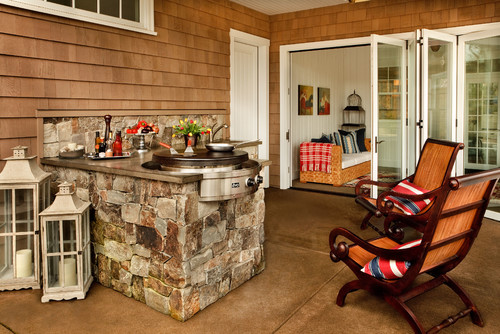
“While a full outdoor kitchen may not be in the budget, setting up a grill or small cooktop may be doable—and there are free-standing countertop and sink combos available for under $500,” says Basher.
You might also redo an outdoor bar cart to signal fall and cooler temps (think mugs for tea, a jar of cinnamon sticks for warm cider, and brown spirits for Manhattans and hot toddies).
7. All-weather rugs

Amazon
To keep your feet toasty, add a layer underfoot to warm an outdoor space. All-weather rugs can stand up to the elements, particularly those made from polypropylene. Just keep in mind that carpet with a thick pile won’t work on a deck or patio.
The Moroccan pattern on this all-weather rug ($46, Amazon) is the exact pop of color you need on a typical all-brown patio or deck. Be sure to use a nonslip rug pad underneath to prevent shifting, and rotate this carpet so any color loss over time is evenly distributed.
8. Extra lighting

Amazon
Candles and outdoor lamps won’t add warmth per se, but the ambiance they offer is enough keep the chill away. You can’t really overdo outdoor lighting, so go a little nuts with twinkling lights wrapped around pillars, glowing lanterns that act as side tables, Mason jars with tea lights suspended from above, and Tiki torches placed strategically in the yard.
For vintage flair on your deck, we suggest these dimmable, weatherproof lights ($30, Amazon) with Edison bulbs. And the setup’s a breeze since each light has an individual hook attached so you can quickly hang the lights with nails or hooks.
9. Covered daybed
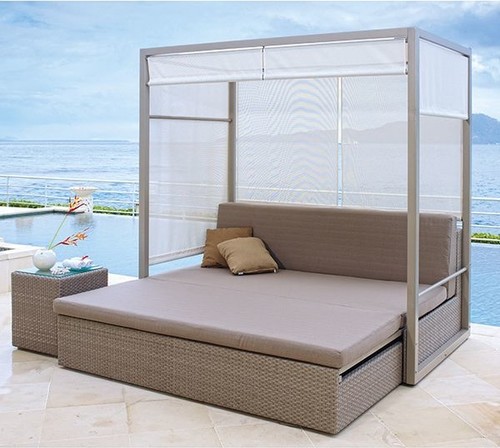
Get warm in an outdoor daybed that’s dressed with faux fur blankets and soft pillows. You’ll also stave off the breeze with an option that features retractable blinds or side panels.
Try this retractable patio daybed ($340, Walmart) in rustic wicker by your pool or under a tree. The thick cushions are washable, and the wide expanse means there’s room for you, your hubs, and the dog.
10. Small shed
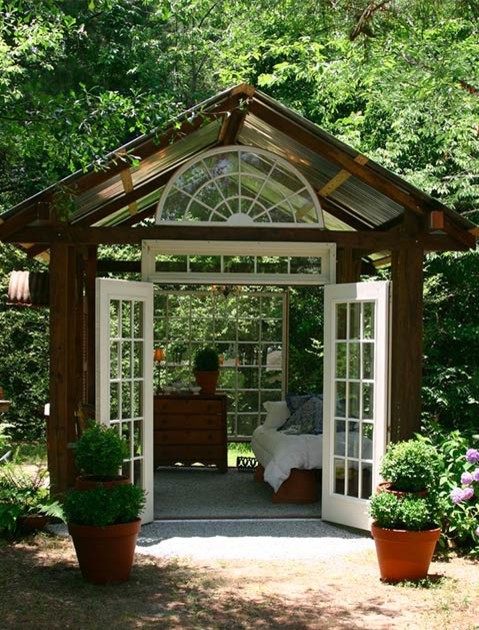 Photo by Equity Northwest Real Estate Meridian
Want to splurge on a real structure?
“Studio sheds have become all the rage of late, and they’re very versatile,” says Basher.
Warm up in a she shed for some me time or use it as an office, homework space, crafting spot, or meditation area.
The post 10 Ways To Make Your Outdoor Space Usable Year-Round appeared first on Real Estate News & Insights | realtor.com®.
Saturday, October 3, 2020
7 Gorgeous Fall Decor Ideas That Will Salvage Your 2020

Sarah Catherine Design Birmingham, AL/Houzz
We’re not going to mince words: This year has been a dumpster fire that makes us feel foolish for all the other times we whined about what a lousy year it was. And if you’re anything like us, you’re probably glad to see the calendar edge us closer to the end of this hellish spin around the sun.
But we don’t want to just get through this month, and the fall season ahead. We want to enjoy what’s left of this year! And we’ve got the perfect pick-me-up to do just that: a fresh new look in your home with the hottest decor on the market today.
We’ve consulted design experts to round up the hottest trends of the season. Whether you’re looking to refresh your bedroom, or put a bold new spin on your living room, here’s what will help you ride out the rest of 2020—in style.
1. White dining sets
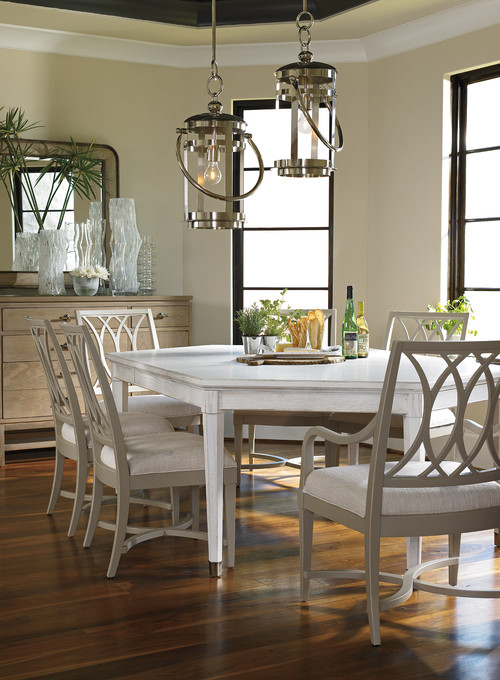
Not everything this season is about autumnal reds and oranges; in fact, we’ve seen a huge trend in white decor, like this all-white dining set.
“White dining sets are so versatile and a staple neutral,” says Stephanie Purcell, owner of Redesigned Classics. “You can pair them with any color scheme and make a statement in the most subtle way. Whether you want to add lots of oranges and reds for a traditional festive fall look, or keep it natural with browns and creams, a white dining set works well with either.”
Add one of these staple neutrals to your kitchen by shopping this Brookwood dining set from Wayfair.
2. Black and white buffalo plaid

Nothing says fall quite like a comfy plaid blanket. But rather than your typical red or green checked looks, this season we’re seeing a huge push toward black and white buffalo plaid.
“This thick and chunky pattern is reminiscent of the Scottish tartan it hails from,” says Purcell. “Nothing is cozier on a crisp fall night than snuggling up in a warm throw. But this pattern isn’t just for blankets—it’s also great on a throw pillow, curtains, or as an entryway mat.”
3. Gray paisley wallpaper

“When you hear ‘paisley,’ you may think of vintage dated designs,” says Natasha Nicolaou of NatNico Designs. “But these new wallpaper looks are anything but frumpy—allowing for a sophisticated and updated look with its sleek minimalist design.”
In fact, gray paisley wallpaper is the hottest new neutral, designers say—it’s easy to pair with a pop of color to create a soft but modern look.
Shop this Vivan Damask wallpaper from Wayfair to get this elegant updated look.
4. Canvas furniture

Who said outdoor living was only for the summer months? Spruce up your patio space for the fire pit nights ahead with a set of neutral canvas chairs.
“Versatile and natural, canvas is easy to clean and incredibly durable while still looking stylish,” says Nicolaou. “Canvas chairs make great dining chairs, bar stools, and come in a variety of indoor and outdoor styles, which make them a perfect choice year-round.”
“Canvas chairs, whether in a patio or a transitional living space, combine the best of the indoors and outdoors for a cozy and chic look,” adds Jaime Huffman of Charleston Blonde.
Update your outdoor seating with a set of these Natural Frame canvas sling chairs from Home Depot, and then look for throw pillows or table runners with tassels or textural elements to keep the natural textured theme going, Huffman suggests.
5. Neutral vases

Whether you have an empty shelf or an end table that needs just a bit of zhuzhing up, a simple and earthy vignette might do just the trick.
“One of the easiest ways to instantly create an upscaled look in a design is with a grouping of neutral-colored vases,” says Nicolaou. “The neutral coloring brings out the sculptural aspect of the vase and adds a sophisticated and elevated touch to any room.”
Try a grouping of vases in varying heights on a dining table, paired with branches for a natural high-end look that takes seconds to put together, she adds.
Shop this collection of half-dipped stoneware from West Elm to bring this fall trend into your home.
6. Velvet

Velvet frequently makes its way onto our trending decor lists—and with good reason.
“In a room, velvet accents evoke a sense of luxury, warmth, and sophistication, perfect for crisp fall days and entertaining guests for the holidays,” says Lauren Noel of LoveRemodeled.com. “This soft fabric is great on curtains, throw pillows, and even ottomans.”
But buyer beware—as with most decor trends, velvet should be used sparingly.
“Don’t add velvet to each corner of the room,” Noel says.
7. Southwest-inspired wall hangings
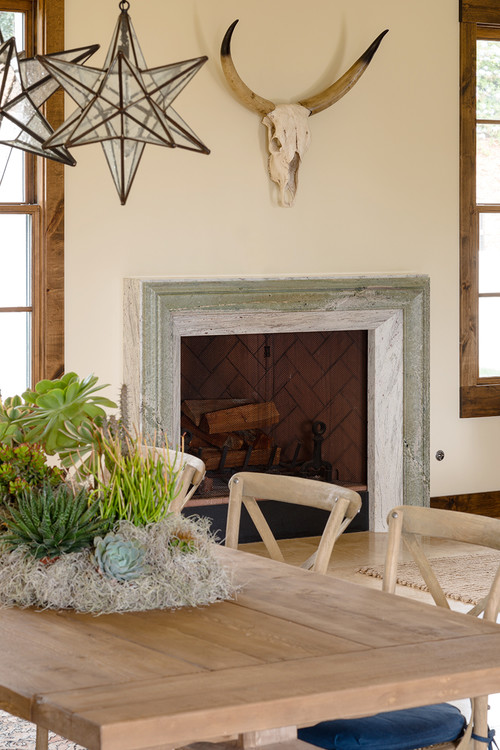
You might recall that Southwestern decor had its heyday in 2016 (oh, how we miss thee!), with entire homes decked out in Aztec print, warm colors, and longhorn skulls.
This fall, Southwestern decor is seeing a resurgence, designers say, but it’s being incorporated in a more modern, eclectic way.
“Southwestern wall hangings are showing up more and more again as the interior design world has gotten incredibly saturated with bohemian rattan and greenery designs,” Huffman says. “A longhorn skull is a way to maintain the natural, rustic feel of boho design in a way that’s more unique and varied … and is the perfect way to add a bit of visual intrigue to your wall this fall.
“The mix between light and dark, feminine and masculine make it a totally trendy piece to incorporate in your interior design,” Huffman adds. “Unlike traditional taxidermy, the whitewashed longhorn skull is bright and airy, as well as conveys a Southwestern style that pairs perfectly with warm fall tones.”
Snag one of these chic and airy Southwest styles for your home by shopping this steer skull from Wayfair.
The post 7 Gorgeous Fall Decor Ideas That Will Salvage Your 2020 appeared first on Real Estate News & Insights | realtor.com®.
8 Outdoor Projects You Can (and Should) Do Over Fall and Winter
Trinette Reed/Getty Images
If you weren’t one of the bajillion people jumping on the quarantine garden trend these past few months, you might think your chances of a producing a plentiful bounty in your own backyard have slipped away, along with summer’s warmer temps.
We’ve got good news! If your green thumb is still itching for action, it’s not too late—there are a number of outdoor projects that can still be carried out when the mercury drops. In fact, fall and winter can be an ideal time to tackle some of these critical items on your to-do list.
Here are eight cold-weather projects that promise to rejuvenate your outdoor space come spring.
1. Clear out the flower beds
Some experiments fail. Relax: There’s no shame in your dead tulips or your shriveled succulents garden. Now that winter’s arriving, pick up your spade and give yourself a clean slate.
Take a long look at your yard, and decide which landscaping elements worked superbly last year—hey, your rose bush was tremendous—and which didn’t work well. Removing plants is easier when they’re in hibernation, so pull up the roots and start dreaming: What will next year’s experiment be?
2. Get planting

OlgaPonomarenko/iStock
With your flower beds cleared out, you might think you have nothing but time to kill until spring planting season arrives. But you don’t have to wait that long. Fall is actually a great time for planting; with some care, a little autumnal attention can mean a beautiful spring garden.
“Many common bulbs, like tulips and daffodils, will bloom great in spring when planted in the fall,” says Chris Johnson, the owner of True Value Hardware in Navarre, MN.
Pick your bulbs carefully. The best ones “will be firm to the touch,” Johnson says. A few inches of mulch on top will keep them safe all winter.
3. Make your final cut
You might think the length of your grass doesn’t matter heading into winter. Who’s going to see it under a blanket of frost and snow, anyway?
But it’s about more than just aesthetics. The health of your yard depends on your giving it one last good cut before chilly temps and frosty weather settle in.
“Longer grass can be matted down by heavy snow, which can cause ‘snow mold’ and impact air flow,” says Fain Dalton, the owner of The Grounds Guys of Germantown in Collierville, TN. Snow mold is a nasty fungus that grows during the winter and mars your lawn when the snow melts, leaving matted, discolored grass.
Dalton recommends trimming lawns to 2 inches. Make sure to rake up fall leaves, too, which can also harbor the ugly fungi.
If you forgot and start panicking come spring, don’t worry. Snow mold doesn’t mean your grass is ruined—it just might take a little bit longer to go green.
4. Spray your weeds

Onfokus/iStock
Wouldn’t it be nice if your lawn emerged verdant and weedless (halle-freaking-lujah!) in the spring? We think so, too. That’s why you should start murdering that unwanted greenery now.
How? As it turns out, your grass is soaking up any nutrients it can find in preparation for the long, cold winter—and so are the weeds.
“Don’t wait until spring to spray for weeds like dandelions or creeping Charlie,” says Johnson. “If you spray them, they’ll not only soak up nutrients, but also the weed killer.”
As a bonus, because it’s getting chillier, you won’t have to worry so much about visitors or pets coming through or accidentally consuming the herbicide.
5. Aerate your yard
If want your outdoor space to look lush and green once the snow melts, Johnson says, aerating your lawn is a great first step.
“It will get air, nutrients, and water into the roots and help produce a stronger lawn,” he says.
Aerators are cheap and can be found at your favorite home improvement stores. You can even buy specialized sandals if you’d prefer to stomp your way to a perfect lawn.
Once your lawn is aerated, give it something to munch on before the first frost. Purchase a late-season fertilizer, which will help the grass retain vital nutrients during the winter.
6. Trim your perennials
Snails and slugs spend all autumn chowing down on your beloved perennials—but you can stop them in their tracks by cutting back the perennials before the season gets going.
Dalton recommends trimming the foliage to the ground.
“It sends energy to the roots for next spring and results in healthier spring beds,” he says. And it keeps your yard looking orderly during the winter, as opposed to overgrown and very, very sad.
7. Prep your gardening supplies
It might be too chilly to garden, but you can still get ready for when temperatures rise again. Hopefully, you’ve disconnected and drained your hoses at the season’s end to prevent them from freezing—but why not also get your sharpest tools in shearing shape?
Fix squeaky screws, and de-rust and sharpen any blades (and replace if needed) in order to save yourself time come spring. Your local gardening or hardware store might offer a tool sharpening service, but this is also a job you can tackle yourself with a sharpening stone or grinding wheel.
8. Build a fire pit

Nancy Ross/iStock
Most winter yard to-do’s won’t pay off until spring, when the warm weather gives you a good look at the fruits of your hard labor.
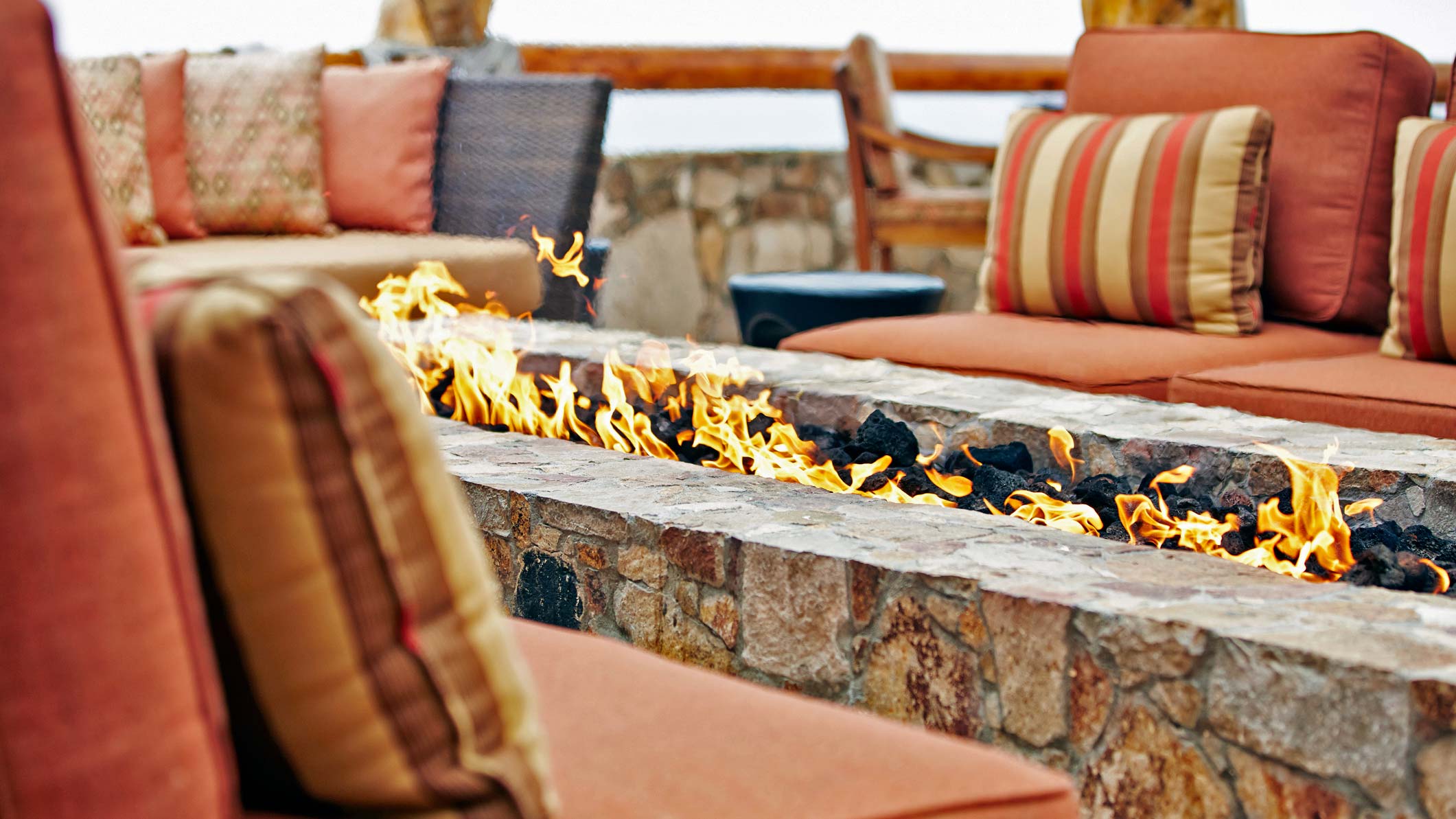
But here’s a fun project that promises to make your backyard usable—even on the chilliest day: Build yourself the biggest, best fire pit.
Whether you like the look of stone or want to build a brick basin, there are DIYs for any style of fire pit you can imagine. (Just make sure to check local regulations first. Some municipalities ban fire pits or have restrictions on where they can be built.) For those on a modest budget, you can still build a kick-butt fire pit.
The post 8 Outdoor Projects You Can (and Should) Do Over Fall and Winter appeared first on Real Estate News & Insights | realtor.com®.