Monday, August 10, 2020

Heather Rae Young’s Top Real Estate Secrets From ‘Selling Sunset’

Heather Rae Young

Paul Archuleta / Contributor / Getty Images

“Selling Sunset” has just returned for Season 3—and while all of the Los Angeles real estate agents on the show are mesmerizing to watch wheeling and dealing, probably the biggest breakout star of the bunch is Heather Rae Young.

This 32-year-old recently made headlines due to her whirlwind romance with “Flip or Flop” star Tarek el Moussa, who proposed to her in July after a year of dating. Whether the pair might end up with their own reality TV show remains to be seen, but until then, we can watch Young in action on “Selling Sunset” (now streaming on Netflix).

And while Season 3 is packed with the usual beautiful properties and claws-out drama among the ultracompetitive real estate agents at the Oppenheim Group, Young and her co-workers also divulge tons of smart insights on buying, selling, or renovating homes. Here are some of Young’s top tips from the first few episodes of “Selling Sunset” that are sure to come in handy wherever you live.

Ask what will be left behind after a sale

Chandelier
The potential buyers love this chandelier.

HGTV

In the season premiere, titled “Back to Business,” Young is showing a Beverly Hills, CA, home to her clients Rene and Lauren. They are interested in the home, particularly the furnishings. They ask if the chandelier by the staircase will remain with the house.

“That chandelier’s pretty amazing,” Rene says.

“I can see if it comes with the house,” Young replies.

Usually, anything bolted to the wall or ceiling is expected to stay with the house, but it’s good to make sure.

While Young’s clients don’t end up buying the house (or the chandelier), it’s important to know that some home items, like light fixtures or furniture, can be negotiated in the sale.

So when touring a home, note the details you like. Love that fridge? Think that couch looks perfect in the den? Ask your agent to find out what the sellers plan to leave behind, or what they’re willing to throw in to sweeten a sale.

One room can serve several functions

bonus room
Heather Rae Young says this bonus space could be a game room.

HGTV

When showing the Beverly Hills house, Young knows that her clients are looking for a family home. So when she shows them a bonus room, she offers suggestions for how the space could be used.

“This could be a game room, playroom, kind of like an everything room,” Young says.

music booth
Young points out that this music studio can double as a home theater.

HGTV

Similarly, in a later episode, Young tours a home that has a professional music studio. While this feature may appeal to music producers, Young is thinking of a broader clientele.

She asks, “Could it be turned into a movie theater?”

When selling a home, you have to spend money to make money

kitchen
Before: The kitchen looked dingy.

HGTV

In the “Biggest Agent in the Room” episode, Young teams up with fellow agent Amanza Smith to sell a Los Angeles home. The house is beautiful, but it could use some sprucing up.

So the seller decides to use the brokerages’ new concierge service in which the team fronts the cost of small repairs, like paint, in order to make the house look better and fetch a higher price.

kitchen
After: A fresh coat of paint and refinished floors make this kitchen look so much better.

HGTV

Young and Smith fix the damaged wood flooring, paint the walls a clean, bright white, and replace some lighting. These small improvements transform the space.

Their boss, Jason Oppenheim, estimates they spent about $40,000 on the improvements. But “we probably added $240,000 in value.”

The space looks sensational, and the home ends up selling for $3,650,000.

Art is a big part of home staging

house
The art brings a ton of color to this home.

HGTV

In addition to making repairs to the home, Young and Smith stage it using art from the seller’s gallery.

The artwork provides fabulous color and a “wow” factor. While the house looks incredible, it’s the art that really makes it stand out.

“It looks amazing,” Young says.

bedroom
This bedroom looks much better with the right staging and the right artwork.

HGTV

The post Heather Rae Young’s Top Real Estate Secrets From ‘Selling Sunset’ appeared first on Real Estate News & Insights | realtor.com®.


10 Things Your Home Doesn’t Need Anymore: How Many Do You Still Have?

keys

akinshin / Getty Images

Unless your home was built in the last year or two, it’s likely to be full of outdated features and systems. Some of those items may add to the home’s charm, but many distinctly will not. Replacing the outdated with modern versions or smart technology can save you time and money.

“While not everyone is an uber-cutting-edge tech wiz, [home] buyers are more tech-savvy than ever before,” says Jared Wilk, principal at Shulkin Wlik Group.

Smart home technology is becoming more mainstream, he says, with homeowners willing and eager to operate various aspects of their homes from their smartphones, and to have systems controlled by Wi-Fi to create efficiencies.

Here’s a look at some of the things your home doesn’t need anymore—and how they can be replaced.

1. House keys

Carrying around a set of jingling keys in your purse or pocket may soon become a thing of the past, with electronic and digital locks becoming a more convenient option, says Melanie Hartmann, owner and CEO of Creo Home Buyers in Baltimore.

“This is fantastic for those times you lose your key, lock yourself out of the house, or someone needs to get into your house in an emergency when you are not able to let them in,” Hartmann says.

Electronic locks rely on a code or a fingerprint to open, and you can control some with your smartphone, says Justin Riordan, an interior designer, architect and founder of the home staging company Spade and Archer Design Agency.

The Lockly smart lock ($228, homedepot.com) features a digital keypad and 3D fingerprint storage.

Smart locks eliminate the need for keys.

homedepot.com

———

2. Telephone jacks

Homeowners continue to cut the cord on landline telephones. In fact, more than half of U.S. households had only wireless service in 2018, according to the U.S. Bureau of Labor Statistics.

The upshot? You can remove these phone jacks completely. Alternatively, replace phone jacks with an internet cable outlet for hard-wired internet, or an access point to improve a home’s Wi-Fi, says Christopher Sterle, founder of Acoustic Design Systems in Las Vegas.

“A hard-wired setup will always deliver the fastest connectivity,” he says.

———

3. TV cabinets

Mounting TVs on the wall is a go-to solution for many homeowners these days—so TV consoles and cabinets just clutter rooms, says Kayla Goldstein, an architect and interior designer.

To accommodate wall-mounted TVs, installing an outlet on the wall at eye level when you’re seated and another one at 18 inches above the floor has become a standard practice.

Riordan predicts the 18-inch outlet will be obsolete in five years, by which time no components under the TV will be needed.

mirror tv
Mirror TV/Séura

Seura Entertainment

———

4. Traditional water-heater tanks

Many homes still have tank-filled water heaters. This limits the amount of hot water available, and they can spring a leak, causing extensive damage.

Switching to a tankless water heater is a more energy-efficient, safer option, Wallace says.

“Tankless water heaters occupy less space, are more energy efficient, and supply a constant flow of hot water,” he says.

Here’s more on the benefits of a tankless water heater.

———

5. Manual thermostats

“In some homes, you’ve still got to push a slider on a thermostat and hope you remember to turn it down when you’re away,” says Matthias Alleckna, an energy analyst at EnergyRates.ca. But the days of this old-school technology are numbered.

New programmable thermostats, like the Honeywell smart thermostat ($160, walmart.com), turn heat and air systems off and on automatically. Often, they can be controlled with your smartphone.

They are also better for the environment and save homeowners money on their energy bills, Alleckna adds.

Smart thermostats are programmable, saving you money on energy bills.

walmart.com

———

6. Gas ranges

Gas stoves and ovens were a fixture of many homes for generations. However, they can be dangerous and use a lot of energy, says Bryan Stoddard of Homewares Insider.

Swapping gas ranges for induction cooktops, like the Frigidaire Gallery ($1,886, homedepot.com), is more suited to a modern home.

“Induction cooktops use a lot less energy, there is no inherent danger from gas leakage, and the board is cool to the touch while cooking,” Stoddard says.

In addition, their flat surfaces are far easier to clean.

Induction cooktops are safer than traditional gas ranges.

homedepot.com

———

7. Light switches

Traditional light switches may seem like a necessity, but like so many aspects of a home, they are being replaced with automated options, Sterle says.

Automated switches turn the lights on automatically when you walk into a room or can be programmed to turn on or off at certain times. You’re also able to customize the settings.

———

8. Traditional power strips and plugs

Power outlets are still a necessity, but they may soon be replaced with smart plugs and power strips that are more energy efficient, and let you control power levels with a smartphone or voice control.

“Smart strips and smart plugs allow you to remotely control whether or not the outlet is feeding the appliances power,” Alleckna says. “So you can always know your TV is turned off when you’re away.”

Some smart plugs and power strips, like the Litedge Wi-Fi smart power strip ($28, wayfair.com) connect with Alexa and other home voice assistants.

Smart power strips save energy and are programmable.

wayfair.com

———

9. Hard-wired alarm systems

Most alarms these days are wireless, so old hard-wired alarm systems can be removed, Sterle says.

Wi-Fi and smartphones let homeowners keep an eye on their properties at all times, and from anywhere, says Tom Wallace, a certified master inspector at Home Check in Florida.

“New security devices are quick to install and come at a much cheaper price than traditional security surveillance,” Wallace says.

Many smart home security systems are available, including Google Nest Cam cameras ($130, target.com).

Google Nest Cam can replace old security systems.

target.com

———

10. Standard doorbells

“No one you actually want to see really drops by your home anymore unless they are bringing you mail and packages,” says Justin Riordan, an interior designer, architect, and founder of the home staging company Spade and Archer Design Agency.

More homeowners are switching to devices, like Ring Wi-Fi video doorbells ($100, amazon.com), with integrated video and audio surveillance, where you can see who’s at your front door and speak to them through your smartphone.

wifi doorbell
A Wi-Fi enabled doorbell with video has replaced traditional doorbells that ring.

amazon.com

The post 10 Things Your Home Doesn’t Need Anymore: How Many Do You Still Have? appeared first on Real Estate News & Insights | realtor.com®.

Before and After: How a Couple Gave New Life to a 1920s Tudor

los angeles tudor

Shade Degges Photography

Finding a hidden jewel in the diverse Los Angeles housing market was no easy feat for Karan and Sapna Aggarwal. The couple spent six months tirelessly researching northeast L.A. neighborhoods, attending open houses, and meeting with industry experts.

Finally, they stumbled upon the perfect gem of a home for their first renovation project—a four-bedroom, four-bath modern Tudor chateau built in 1928 and located in the hip enclave of Eagle Rock.

“The property is located in a characterful neighborhood, lined with English Tudor and Spanish-style homes,” says Sapna. “We wanted to make sure the original features and charm of the home were being showcased in a way that would emphasize the home’s history.”

The Aggarwals’ plans aimed to ensure that the entire home was thoughtfully upgraded—maximized for space and functionality for any family.

After two years of renovations, the husband-and-wife team transformed the 1,485-square-foot, single-story fixer-upper into a magnificent 3,200-square-foot, two-story home.

How did they pull off overhauling a property that’s just shy of 100 years old? We got the scoop on their approach and their recommendations for any buyers or homeowners looking to take on a similar challenge.

Have a vision

Renovating a house is a process, but renovating an old house is an art.

While century-old houses are charming, they often require updating to make them comfortable for the modern family.

This requires understanding the history of the home and researching the architecture and materials used in its construction, having a vision for your renovation, and then finally getting the green light from the city for your plans.

“When we purchased the property, we had to reimagine the entire space,” says Sapna. “The structure and exterior of the home remained the same, but we knew we had to change the original layout.”

Be willing to get your hands dirty

Since this was their first renovation, the couple wanted to learn the process from a hands-on point of view, while still staying true to their mission of bringing form and function together.

For example, they dealt with the arduous task of getting their plans approved by the city’s building and safety department.

“From facilitating multiple rounds of corrections to meeting with various departments within the city—who each have their own set of requirements before they clear a project—it took three months and 18 trips to the city to get our plans stamped and approved,” says Sapna.

When renovating an old house, it’s important to address the bigger challenges rather than cosmetic fixes.

“The best way to avoid surprises is to open up the walls to see what you’re dealing with, before you start the design and planning phase,” says Sapna.

“By doing so, we were able  to go in with a full understanding of the scope of the project and mitigate a lot of unnecessary back-and-forth.”

The couple were on site every day learning the nuances of the work, such as pouring a new foundation, framing, rewiring, replumbing, and everything else that goes into building a house.

Identify professionals

When planning a renovation, it’s important to find the right team of professionals, including those who have a background in historical properties.

“The first thing we did was take [the house] all the way down to the studs to fully understand what we were working with,” Sapna says.

“From there, we worked hand in hand with our team of architects, engineers, and designers, to design a home that was equally beautiful and functional.”

But their biggest challenge, Sapna says, was finding the right builder.

In her experience, you can interview and research a number of contractors “but until you are on site, hammering in nails, you don’t know what the working dynamic will be.”

Five contractors later, Sapna says they had a much better understanding of who might be the best fit for their team moving forward.

Meld form and function

A detached studio was added to expand the property’s footprint.

ACME

It takes a careful eye to be able to preserve the form of the house while also making it functional for today’s world.

“We wanted to modernize the property and update it for today’s living, without stripping away the charm,” says Sapna.

To boost creativity and productivity, they built a studio/work-from-home space in the backyard.

The couple added hardwood floors, an accent wall with the original texture, an exposed beam painted black, a pendant light, and a window with views of the beautifully landscaped garden.

They also converted the existing attic space into a second story. These new rooms celebrate the classic pitched gable roof characteristic of Tudor homes.

Bedroom in the converted attic space

ACME

Storage is king

When they were planning and designing, increasing storage space was one of the Aggarwals’ top priorities.

They expanded the downstairs footprint by building a 600-square-foot addition, and they also made smart decisions throughout the home, to ensure that the owners would have plenty of room to keep the home organized.

“There are bathrooms with very generous vanities; the kitchen with 17 inches of pull-out cabinet space, plus a large island with storage on both sides; a designer pantry that serves as both storage and decor; and a breakfast nook with benches that double as additional storage,” says Sapna.

“We think the end result will satisfy anyone’s storage needs.”

Incorporate modern touches

“We wanted the home to embody a style that was one-of-a-kind, yet timeless and sophisticated without feeling cold,” says Sapna. “From the gorgeous Tudor arches and cathedral ceilings to the apron-front sink and warm, inviting kitchen, the Tudor charm can be felt everywhere in the home.”

The couple chose a black-and-white color palette to make a statement, and put in warm natural wood accents and pops of satin brass and sage green for personality.

The backyard was thoughtfully broken up into three areas that flow together perfectly: the lush green grass for pets and children to run around in, a handbuilt redwood deck perfect for lounging, and an elevated dining area, beautifully lit with twinkle lights overhead, for al fresco dining.

They also incorporated a European-style alley between the main house and garage, lit with string lights.

The backyard also features a hilltop picnic area, accessible via a private hiking trail that the couple built into the hillside.

“With expansive views overlooking downtown L.A.,” Sapna says, “we hope the new homeowners take advantage of this unique Los Angeles private retreat, with their family and friends.”

The post Before and After: How a Couple Gave New Life to a 1920s Tudor appeared first on Real Estate News & Insights | realtor.com®.

Friday, August 7, 2020

Is a Water Softener a Good Investment? Weigh the Hard Facts

hard water

Iuliia Mikhalitskaia/Getty Images

Take a look at your sink, washing machine, and teakettle. Do you see stubborn soap scum and mineral deposits that can only be removed with extra scrubbing? Hard water is the culprit.

To achieve crystal-clear water glasses and streakless pots and pans, many people install a water softener.

“Water softeners are a great investment if your water supply is high in mineral content, a condition known as hard water,” says Paul Abrams, a spokesperson for Roto-Rooter Services in Cincinnati.

A whopping 90% of households have hard water, which contains high levels of calcium and magnesium.

Water softeners work by replacing those minerals with a softer mineral of sodium or potassium, and can transform your everyday water experience.

But a water softener isn’t cheap. A high-end water softener will cost about $1,800, while installing it can cost anywhere from $400 to $4,000. So is buying a water softener worth it for homeowners? Here are some factors to weigh.

Pro: Efficient pipes and appliances

Since hard water has high traces of calcium and magnesium ions, it can create limescale and damage your home’s internal heating, plumbing systems, and appliances.

Abrams says hard water can damage water heaters, dishwashers, washing machines, ice makers, faucets, shower-heads, and all the parts inside your toilet tank. Switching to soft water can put an end to that.

“A water softener will reduce wear and tear on each of these fixtures and appliances and help to extend their useful lives,” says Abrams. “And if you have glass shower doors, they’ll be much easier to clean if you have softer water.”

Con: The cost can be high

The initial price of a water softener, plus installation, can cost homeowners anywhere from a few hundred to a few thousand dollars.

The cost of a water softener depends on how large your household is, the hardness of your water, and the type of system you choose.

Larger homes (in terms of square footage), with more occupants and lots of hard water, will require a more heavy-duty system to remove the minerals.

A high-end 75,000-grain capacity water softener will cost about $1,800, according to Angie’s List.

Installation by a professional can also get super pricey, at up to as high as $4,000.

Some experts, though, believe there are ways to stay within your budget.

“There’s no need to purchase a very high-end water softening system,” Abrams says. “A simple $300-$400 water softener will do a great job for many years—the average life expectancy is 12 years—and will do almost everything that a $2,000 unit will do.”

Ruben Rodriguez, operations manager at the Texas headquarters of the Bosworth Company, which provides HVAC, plumbing, and electrical services, says some companies will even lease softeners, alleviating some of the upfront cost.

Still, adding a large appliance to your home requires forethought and consideration for your budget.

Pro: Nicer laundry, skin, and hair

“After using a water softener, the brightness of your clothes will stay intact longer, your skin will be softer, and you will use less soap, as soft water will not dilute as much,” says Rodriguez.

Hard water can create build up on your hair and make it look dry and brittle. It can also dry out your skin—so soft water can be better for skin conditions like eczema.

Con: Maintenance

Water softeners require salt maintenance to keep the unit functioning.

“This means lugging up to four 40-pound bags of salt home from the grocery store and pouring them into the softener’s storage tank,” says Abrams.

He says a tank will need to be filled up with salt three or four times a year, and can cost about $25 per fill or $100 per year.

Pro: No more stinky water

Hard water tends to have an earthy or sulfurous scent and a chalky or chemical taste. A water softener will improve the smell, taste, and look of your water. The big bonus: no more mineral spots on glassware.

Con: Slippery feel and loss of mineral content

One of the biggest complaints about soft water is that it leaves a slippery feel on your skin that requires getting used to. It also may not be suitable for drinking or cooking, as there are potential health effects from additional sodium for those with high blood pressure.

And you may be reducing your daily mineral intake, since, according to the World Health Organization, drinking water may be a good source of calcium and magnesium in the diet.

However, this can be resolved by having an unsoftened tap, or by using bottled or filtered water for cooking and drinking, such as through a pitcher filter.

Is a water softener a good investment?

“Purchasing a softener can be an upfront investment, but the benefits will save you money on appliances, clothes, and fixtures in the long run,” says Rodriguez.

Before purchasing a water softener, Abrams suggests talking with friends and neighbors about the water-softening solutions they chose and why.

“Do your homework, check online reviews, watch YouTube videos, and find the unit that is right for you,” he says.

The post Is a Water Softener a Good Investment? Weigh the Hard Facts appeared first on Real Estate News & Insights | realtor.com®.

Christina Anstead Is Back—With a New Baby and a Bar You Have To See

Christina Anstead

HGTV

Christina Anstead is back for Season 3 of “Christina on the Coast”—and in this season premiere, we see her juggling three kids, including her adorable newborn, Hudson.

When not tending to her growing family’s needs, though, Anstead is helping her clients reimagine their homes—and in the latest episode, she’s got a lot of work to do.

In “Dysfunctional to Functional Kitchen,” she helps Jenny and Anthony renovate their home in Orange, CA.

While their home decor style was all the rage in the early 2000s, it now looks completely dated. Anstead knows this house needs a new look—but the couple can’t decide on the style direction that’s right for them.

Jenny wants the house to have a light, bright farmhouse look, while Anthony prefers the feel of a modern New York loft. They’re very different takes, which means it may be hard for this couple to find a compromise.

Read on to find out how Anstead strikes a balance, and learn some cool home design tricks you might want to try in your own abode.

Dark hardware gives a light kitchen dimension

kitchen
Before: This dark style makes the whole house feel dated.

HGTV

Jenny and Anthony have a lot of dark colors in their kitchen. From the cabinets to the counters to the floors, it’s a whole lot of brown.

“This kitchen was a hot ticket about 10 years ago,” Anstead says when she sees the room. She knows it’s time for an update.

The only problem is that Jenny and Anthony can’t decide on a new design. Jenny wants white cabinets with a white backsplash and white countertops, but Anthony is concerned with her style choice.

“It seems like a lot of white,” he says.

kitchen
After: This white kitchen looks perfect with dark hardware.

HGTV

Anstead comes to the rescue by finding a compromise, recommending that the white cabinets and backsplash be paired with some black, industrial hardware.

The finished look is bright but masculine, giving this kitchen a farmhouse vibe, with a touch of modern.

Floating shelves can open up a kitchen

floating shelves
These floating shelves were the right choice.

HGTV

When the new white cabinets finally go into the kitchen, the space instantly looks brighter. There’s just one problem: The new cabinets leave open spaces on either side of the window.

So, Anstead offers to fill the space with either more cabinetry or with floating shelves. Right away, Jenny knows what she wants.

“I like floating shelves,” she says, “I think those are nice, you can accessorize them.”

Anstead ends up using natural-tone wood to build these shelves, and when the work is finally done, they look perfect. The open shelves make the space feel bigger, plus, they show off the great-looking white backsplash that stretches up to the ceiling.

Jenny is right about accessorizing the shelves: Once Anstead places a potted plant on one tier, the burst of green instantly brightens up the space.

A fireplace should be functional and fashionable

fireplace
Before: This fireplace was dated, and because the brick outer hearth stuck out, it was dangerous, too.

HGTV

While Anthony and Jenny want to renovate their kitchen for style, they want to upgrade their fireplace for function.

They explain that the hearth extends out too far on the bottom, and that some of their guests have tripped over it.

“It’s like literally a deathtrap,” Jenny says.

So, Anstead reimagines the feature: She builds out the fireplace face, pulls the hearth back, then updates the look, by adding gray tile and a reclaimed wood mantel.

fireplace
After: This fireplace looks much better.

HGTV

When the fireplace is finally done, Jenny and Anthony love the gray tile, which is configured in a herringbone pattern, and Jenny loves the wood mantle.

“Not too rustic but not too modern,” she says. “It’s just the perfect blend.”

Most importantly, the fireplace is now safe.

“It’s no longer a trip hazard,” Anstead says.

Dress up cocktail hour with a beautiful bar

bar
Before: Anthony’s original bar space was small and cluttered.

HGTV

Although Anstead tries her best to find good compromises between Jenny and Anthony’s style preferences, it seems that the home’s design favors Jenny’s choices. So, in order to keep Anthony happy, Anstead decides to build him a custom cocktail bar.

Still, Jenny has one request.

“I just want everything to have a place and be behind a cupboard,” Jenny says of Anthony’s cocktail bar collection.

Not sure how to make this bar area look clean and uncluttered, Anstead asks her husband, Ant, to help with ideas for a fun, classy bar design. Together, they come up with a plan to install glass shelves and up lighting.

bar
After: Jenny may not have liked the look of Antony’s old bar space, but this looks beautiful!

HGTV

While the finished bar doesn’t hide all the bottles and glasses behind a cabinet, as Jenny wanted, the space is clean, stylish, and works perfectly with the rest of the home design. Both Anthony and Jenny end up loving it.

“This is so awesome,” Jenny says.

A staircase should match the rest of the house

stairs
Before: Christina Anstead knows that a staircase is an important design element. She agrees with Jenny when she says this old banister has to go.

HGTV

Anstead has her hands full with Jenny and Anthony’s renovation, but she’s able to stay on schedule and make good progress.

However, just before the project wraps up, the couple drops a bomb: They now want to renovate the staircase, too!

“I just feel like we need to update this to match everything else that looks so good in here now,” Jenny explains.

stairs
After: This banister looks much better.

HGTV

She wants to run the new vinyl flooring up the steps and replace the wood banister with wrought iron.

Anstead’s contractor, Izzy, tells the couple that the project will be expensive, costing $10,000. Still, Anthony and Jenny decide that it’s worth the extra cost.

It’s a good thing they spend the extra cash, because once the work is done, the stairs look perfect.

Is Christina Anstead’s renovation up to snuff?

Even though Anstead has her hands full with two kids and her newborn, she still manages to nail this renovation.

And she does so on a fairly tight budget: Jenny and Anthony originally had $60,000 to spend. Later, they agree to invest an additional $10,000 to fix up their staircase. Although they end up paying more than they’d planned, it’s all money well spent, because the house looks amazing.

The post Christina Anstead Is Back—With a New Baby and a Bar You Have To See appeared first on Real Estate News & Insights | realtor.com®.

How an Inflatable Hot Tub Ruined My COVID-19 Summer (and Marriage)

hot tub

Sabine Thielemann / EyeEm / Getty Images

While I never thought I’d say this, here goes: A hot tub has ruined my summer.

Back in May, with the coronavirus pandemic annihilating the odds of our family of five spending our weekends cooling off in New Jersey’s community swimming pools—or of me booking the occasional weekend at a spa—I started mooning over the many inflatable hot tubs I saw on Amazon.

Many promised an “easy” setup: Just inflate, fill with water, pop the champagne, and enjoy!

But the model I ended up purchasing, from Amazon.com for nearly $700, turned out to be anything but relaxing. (The price range has since increased, perhaps due to demand, starting now at $1,200.)

On the contrary, it’s been emotionally, physically, and financially draining, and has even deflated any warm-and-fuzzy goodwill in my marriage. I should note that purchasing this hot tub was my idea, something my husband never lets me forget.

And I’m quite sure I’m not the only homeowner whose hopes of some quarantine relief have been dashed by an inflatable hot tub or some other supposedly “easy setup” backyard water feature.

“A lot of people, especially now, go out and buy an inflatable pool or hot tub without understanding the significant amount of care needed, along with additional costs,” says Jen Stark, a home improvement expert and founder of Happy DIY Home.

In case you’re pondering purchasing an inflatable pool or hot tub for your own yard, allow me to explain what the whole experience is like, just so you can weigh whether you’re getting in over your head.

Setup may be easy, but…

Inflating our hot tub was the easy part. Ensuring that the water stayed crystal clear and safe for soaking? Not so much.

An inflatable pool will come with a pump and a filter, but you’ll need to be sure to treat the water with chlorine tablets or liquid to keep microbes in check.

My 18-year-old son is a lifeguard, so he’s familiar with testing pool water, balancing chemicals, and cleaning filters. He volunteered to take the lead on making sure it didn’t devolve into a cesspool. Easier said than done.

In the beginning, my “pool boy” alerted me almost daily to yet another product we needed. He seemed to be requesting more chemicals than Walter White before whipping up an epic batch of blue meth.

Soon, Amazon deliveries were arriving at our home with a holiday-season-like frequency, which leads to my next complaint…

Maintaining an inflatable hot tub is expensive

Here’s a quick rundown of the items I purchased in an attempt to keep this hot tub afloat (bear in mind, this doesn’t include my electric bill, which also spiked, thanks to the filter running eight hours a day):

  • Pool and spa shock ($5)
  • Hot tub test strips ($16)
  • Maintenance accessory kit with brush, skimmer, and scrubber ($33)
  • Chlorinating concentrate ($21)
  • Brominating tablets ($27)
  • Alkalinity ($29)
  • Baking soda ($3)
  • Chemical for adjusting pH ($29)

That’s a lot of chemicals, which then made me wonder…

Is it clean? Is it safe?

My lifeguard son is prone to saying our hot tub is about 3 degrees less toxic than Chernobyl.

Sometimes when I think about going in, I hear the voice of Jerry Seinfeld telling his neighbor Kramer, who’d purchased a hot tub from a pal: “I’m not taking a soak in that human bacteria frappé you’ve got going in there.”

How can I be certain it’s clean?

My hot tub looks less than inviting.

Liz Alterman

“It’s very important to keep in mind that pool water should be clear, and anything other than that might point to some chemical imbalances,” says Michael Dean, co-founder of Pool Research.

“When you think ‘inflatable pool,’ the first thing that comes to mind is probably ‘Easy breezy,'” says Glen Wilde, who runs a healthy living coaching company and often recommends long soaks in hot tubs to his clients.

“What most people don’t realize is that an inflatable pool requires all the same maintenance as an in-ground pool.”

It may be on a smaller scale, but the process is the same.

“The CDC has several different regulations and guidelines that encourage safe pool water, which should be followed as closely as possible for inflatable pools,” agrees Dean.

“For example, the CDC recommends alkalinity to be around 125 parts per million. For chlorine, it’s recommended to be at least 1 part per million. And don’t forget about the pH levels, which are recommended to be at around 7.5.”

And these chemical levels should be checked daily—for good reason.

“If the pH is off, the chlorine won’t be able to do its job properly, potentially making you sick,” Wilde explains.

Stark recommends draining your pool or hot tub every few weeks (or more frequently if it appears dirty) and washing it with sanitizer.

“Once clean, it needs to be rinsed until there are no bubbles,” she says.

“Then you are ready to start the process over again and fill it up. To keep the pool clean, remember to keep it covered when not in use, do not miss a chemical dose, shower before using, and make sure the kids go to the bathroom before getting in.”

Once it’s been treated, it does look appealing.

Liz Alterman

It’s a tight squeeze

While the product description indicated that this hot tub could comfortably fit four adults, it’s more like a glorified soup tureen. My three teen boys feel as if they’re marinating in a tea cup. See below just how thrilled they are in there (not very).

The bubbles are loud.

Liz Alterman

It’s slow to heat

No one finds warm water refreshing on a sizzling summer day. Still, icy H2O isn’t all that appealing, either. Once we’ve filled the tub, the water temperature is typically a chilly 72 degrees. Reaching the ideal range—between 78 and 82 degrees, according to Swim University—can take about six to eight hours, even on a blazing afternoon.

Plus, the manufacturer notes that the ambient temperature needs to be above 50 degrees if the tub is to reach its full 104-degree potential. I don’t think I’ll be keeping this hot tub out all winter.

It could take a day to reach that peak temp.

amazon.com

Where am I going to store this thing?

If we don’t keep this hot tub out year round, though, there’s the issue of where to store it. Even when deflated, without a single drop of water, it weighs 87 pounds.

While it’s around 2 feet flat when fully compressed, it still measures in at almost 7 by 7 feet. Plus, it’s important to clean and drain your hot tub ahead of the winter months, to avoid potential damage from freezing temperatures.

My husband is lobbying to sell this hot tub ASAP. But I feel like I’ve invested so much already. So while its fate remains to be seen, let’s just say it isn’t as amazing as I thought it would be.

The post How an Inflatable Hot Tub Ruined My COVID-19 Summer (and Marriage) appeared first on Real Estate News & Insights | realtor.com®.

Thursday, August 6, 2020

5 Mistakes Everyone Makes When Shopping Online for Office Furniture

home office

PeopleImages/Getty Images

Never before in the history of the home office has this space been so much in the spotlight.
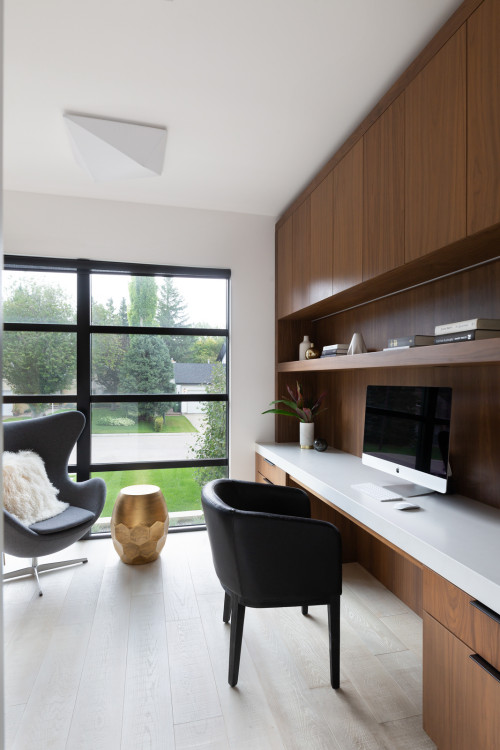
It’s no longer just a random area where you file your bills, dump off your mail, and display all the books you swear you’ll read one day.

The home office has become, for many in this era of pandemic shutdowns, the main office. Which means a lot of people these days are buying office furniture—and more likely than not (thanks to COVID-19) they’re buying it online.

Don’t get us wrong, buying office furniture online has its perks. You can shop all of the best stores without ever leaving your couch, and you don’t even have to worry about how you’re going to get it all home, since it ships right to your door.

But shopping online has its share of pitfalls too, some of which you might not see coming.

We went to the experts and asked some of our favorite interior designers about the mistakes people make when shopping for office furniture online. Here are the most common blunders to avoid.

1. Overlooking dimensions

Photo by Laura Roberts Design
You may think you know what size office furniture you need for your space, but unless you’ve pulled out the measuring tape, you probably don’t.

“One major mistake consumers make in selecting home office furniture online is overlooking dimensions,” says Lisa Davenport, founder and CEO of LDD Interiors.

“Take a moment to actually measure the space you will be using the furniture in. More often than not, consumers assume they understand scale and space, but even seasoned designers measure twice and order once.”

She adds that one often overlooked measurement is space behind the desk, which is important to “allow a desk chair to freely and comfortably move in and out of the desk.”

2. Incompatible pieces

Photo by Stephanie Brown Inc.

It’s not only important to choose pieces that fit in your space, but also pieces that fit with each other.  

“A desk chair with arms is a comfortable, popular option when people are shopping for a home office. However, they do not always fit under the desk space due to confines of either the desk height or a pencil drawer,” explains Shawn Kronen, founder of Kronen Design Co in Atlanta.

“Be sure you check all of the dimensions of the chair and the desk you are selecting, to make sure they are compatible.”

Interior designer Heather Higgins of Higgins Design Studio agrees.

“One of the unfortunate mistakes made when shopping online for home office furniture is the size of the desk chair,” she says.

It may be too large “for the size of the desk and the overall office space,” she says.

“The scale of the space and its furniture need to work together to prevent it from looking awkward.”

3. Prioritizing style over function

Of course, you want an Instagram-worthy office space, but that doesn’t mean you should sacrifice having a home office you can actually work in.

“Forgoing performance for pretty may be the biggest mistake we can make,” warns Erin Baird, senior interior designer at Hoefer Wysocki.

She gives the example of an office chair, which she says is the most important investment you’ll make in this space.

“An ill-fitting chair can cause neck and back problems, discomfort, and fatigue, which can reduce productivity. It may take a few tries to find the right chair with an online consumer vendor,” she says.

“As an alternative, I suggest going direct to a reputable commercial office furniture manufacturer. While these task chairs may be more expensive, leaders in the that industry offer chairs that are durable, ergonomic, and have longer warranties.”

4. Looking for the best deal

Photo by Victoria Kirk Interiors

Everyone wants to find a great deal when shopping for office furniture online. But according to Baird, this may be a trap.

“There is a balance between budget and quality, and if you’re after the best deal, the quality of the product will probably suffer,” she explains.

“Keep in mind that furnishing a home office is an investment. Functionality, productivity, and physical comfort are as important as aesthetics. Take your time, do your research, and read reviews.”

Remember that if you buy the cheapest pieces and they have to be replaced in a year or two, you’re not really saving any money in the long run.

5. Lacking overall cohesiveness

Photo by Jennifer Radakovic Design

You see a gorgeous desk on one website, and a beautiful bookshelf on another. They look as if they might go together—but do they really? What exact color was that desk again?

Julie Arnold, an interior designer at J. Raine Design, says one of the biggest issues she sees when homeowners buy office furniture online is that the finished room lacks cohesiveness.

“If you’re shopping online, I suggest making some sort of document showing pictures of all the furniture you’re buying with dimensions,” she suggests.

“I can always tell when a piece was an afterthought or a quick buy that was not accounted for in the beginning planning stages.”

The post 5 Mistakes Everyone Makes When Shopping Online for Office Furniture appeared first on Real Estate News & Insights | realtor.com®.